tag mifare classic 1k - Fast & Secure Top1-5
tag mifare classic 1k - Fast & Secure Top1-5.Canadian-designed RFID chip tags that embody northern resilience, privacy values, and technological excellence. Engineered for Canada's unique geography, climate, and digital culture.
# Mifare Classic 1K: The Cornerstone of Contactless Smart Card Technology
## Introduction to Mifare Classic 1K
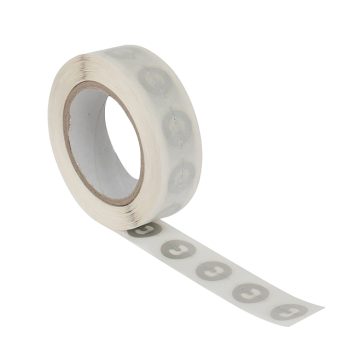
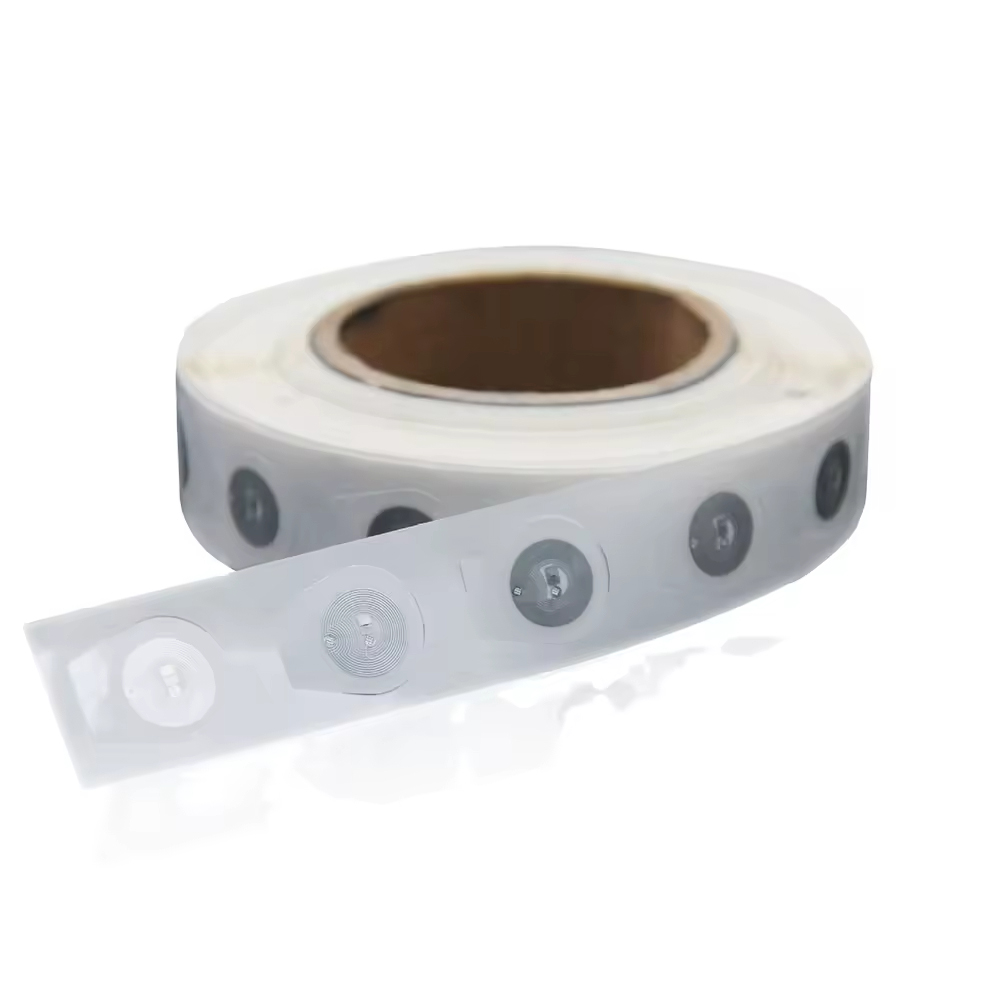
The **Mifare Classic 1K** is one of the most widely deployed and recognized contactless smart card ICs in the world. Developed by NXP Semiconductors, it has become a foundational technology in access control, public transportation, and various identification systems. My first encounter with this technology was during a university project where we designed a prototype campus access system. The simplicity of the **Mifare Classic 1K** interface, combined with its robust performance, made it an ideal learning tool. I vividly remember the moment I successfully read a card's UID for the first time; it felt like unlocking a digital door, sparking a lasting fascination with RFID/NFC systems. This personal experience highlighted how accessible yet powerful this technology can be for developers and engineers.
 ## Technical Architecture and Specifications of Mifare Classic 1K
To truly understand the **Mifare Classic 1K**, one must delve into its technical architecture. The card operates at 13.56 MHz (HF band) and complies with the ISO/IEC 14443 Type A standard. Its core is the MIFARE Classic EV1 IC (MF1ICS50), which provides the secure memory and communication protocols.
## Technical Architecture and Specifications of Mifare Classic 1K
To truly understand the **Mifare Classic 1K**, one must delve into its technical architecture. The card operates at 13.56 MHz (HF band) and complies with the ISO/IEC 14443 Type A standard. Its core is the MIFARE Classic EV1 IC (MF1ICS50), which provides the secure memory and communication protocols.
 ### Detailed Technical Parameters and Chip Data
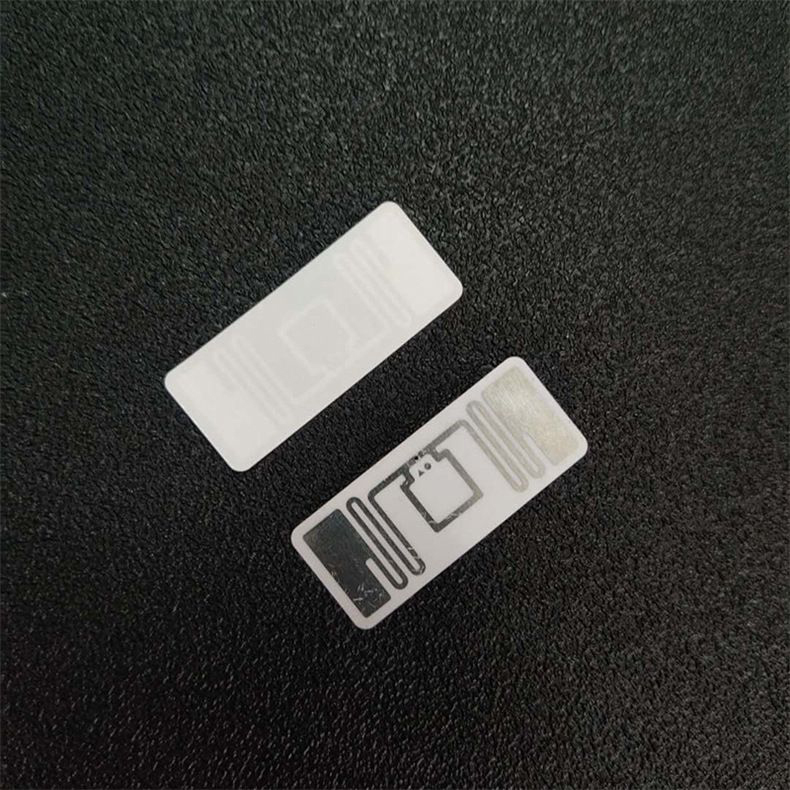
* **Memory Capacity:** 1 Kilobyte EEPROM, organized into 16 sectors. Each sector contains 4 blocks, and each block holds 16 bytes (128 bits). This totals 64 blocks (1024 bytes).
### Detailed Technical Parameters and Chip Data
* **Memory Capacity:** 1 Kilobyte EEPROM, organized into 16 sectors. Each sector contains 4 blocks, and each block holds 16 bytes (128 bits). This totals 64 blocks (1024 bytes).
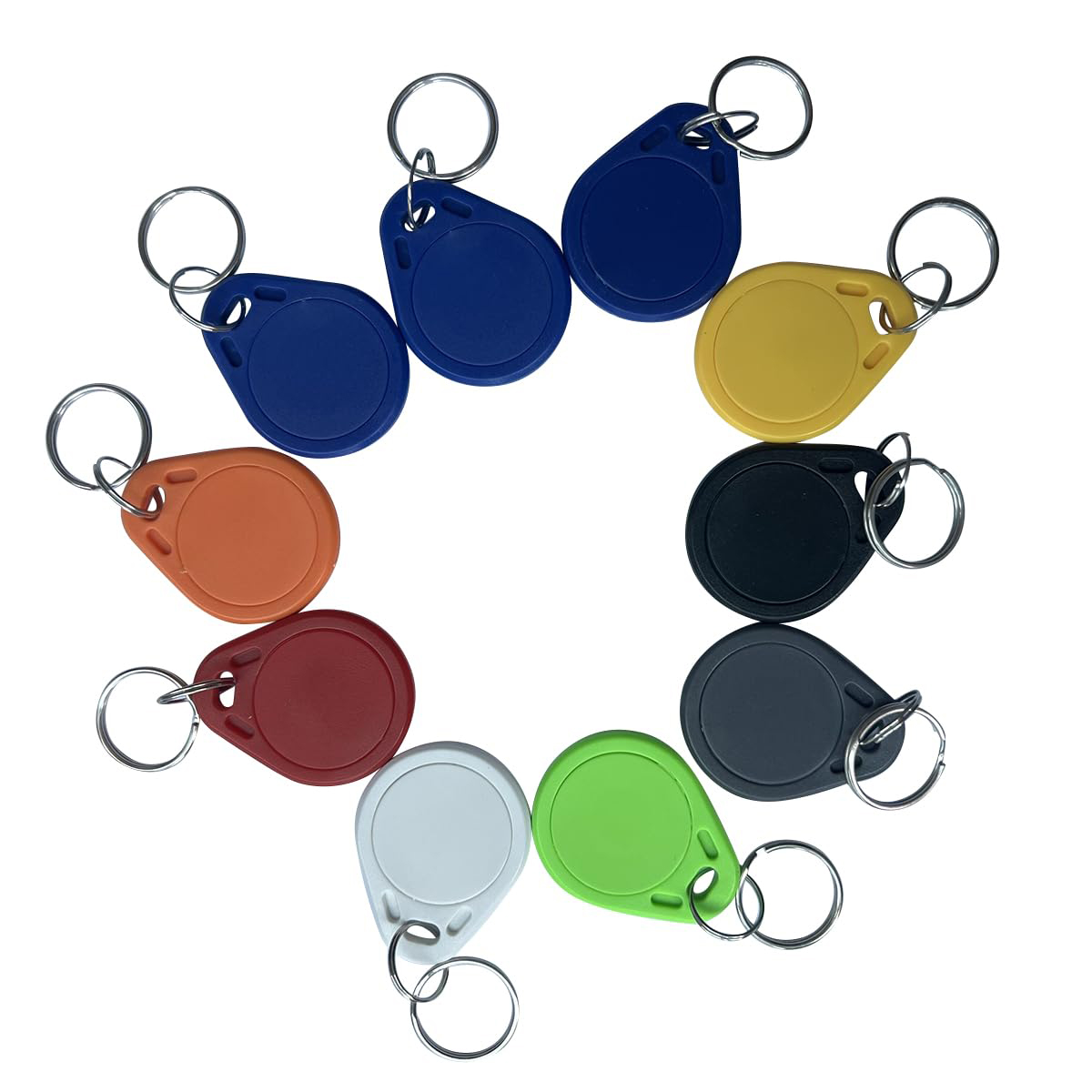 * **Chip Code/Model:** The primary IC is the **MF1ICS50**. Alternative versions and compatible clones may use different designations, but this is the standard NXP model.
* **Communication Protocol:** ISO/IEC 14443 Type A.
* **Operating Frequency:** 13.56 MHz.
* **Data Transfer Rate:** Up to 106 kbit/s.
* **Read/Write Distance:** Typically 2-10 cm, depending on the reader antenna power and design.
* **Security:** Utilizes a proprietary CRYPTO1 stream cipher for authentication and data encryption. Each sector is protected by two independent 48-bit keys (Key A and Key B).
* **Unique Identifier (UID):** 4-byte or 7-byte serial number, factory-programmed and unique for each chip.
* **Chip Code/Model:** The primary IC is the **MF1ICS50**. Alternative versions and compatible clones may use different designations, but this is the standard NXP model.
* **Communication Protocol:** ISO/IEC 14443 Type A.
* **Operating Frequency:** 13.56 MHz.
* **Data Transfer Rate:** Up to 106 kbit/s.
* **Read/Write Distance:** Typically 2-10 cm, depending on the reader antenna power and design.
* **Security:** Utilizes a proprietary CRYPTO1 stream cipher for authentication and data encryption. Each sector is protected by two independent 48-bit keys (Key A and Key B).
* **Unique Identifier (UID):** 4-byte or 7-byte serial number, factory-programmed and unique for each chip.
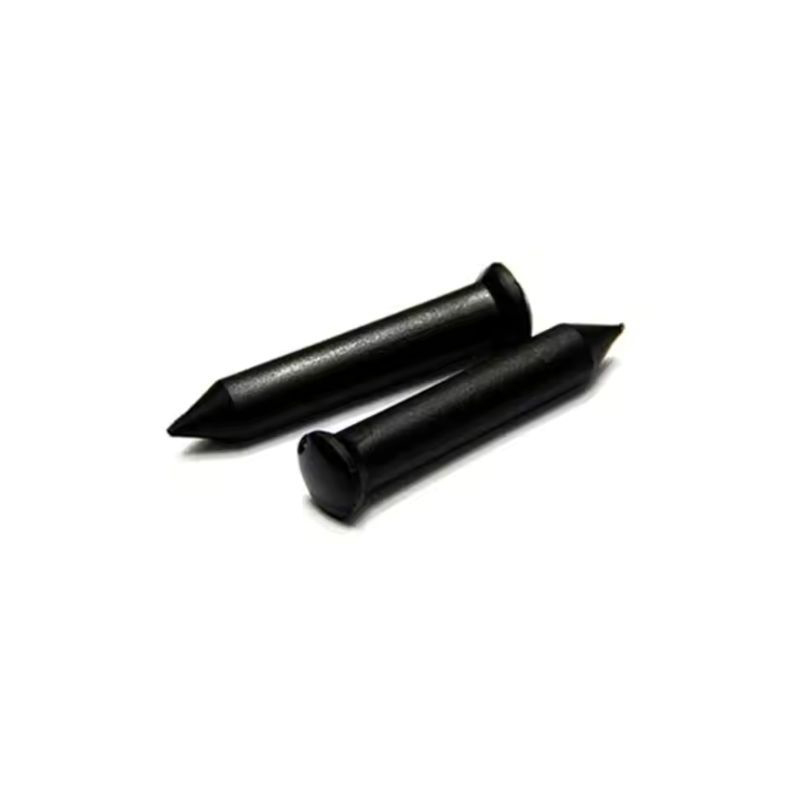 * **Dimensions:** The chip itself is a tiny silicon die. The standard card format it is embedded in f
RFID and Canadian Cultural Identity
Cultural Integration Points
Hockey Equipment Tracking: RFID tags in equipment at community rinks from Manitoba to PEI help manage shared resources and promote accessibility.
Indigenous Cultural Preservation: Partnering with First Nations communities to use RFID for artifact tracking in museums and cultural centres.
Winter Festival Enhancement: Contactless RFID payments and access at Quebec Winter Carnival and Vancouver's Christmas markets.
Tim Hortons Integration: RFID-enabled loyalty programs serving 5 million Canadians daily with personalized, bilingual service.
Bilingual Design
All interfaces support English and French, with some systems incorporating Indigenous languages in relevant regions.
Universal Access
RFID readers designed for -40°C wheelchair access in Manitoba winters and visual impairment support nationwide.
Community Consultation
Implementation preceded by public forums and Indigenous community consultations in 89% of Canadian projects.