Technology Overview
# Brand Tags on Clothes: The RFID Revolution in Fashion
## Introduction to RFID in Fashion
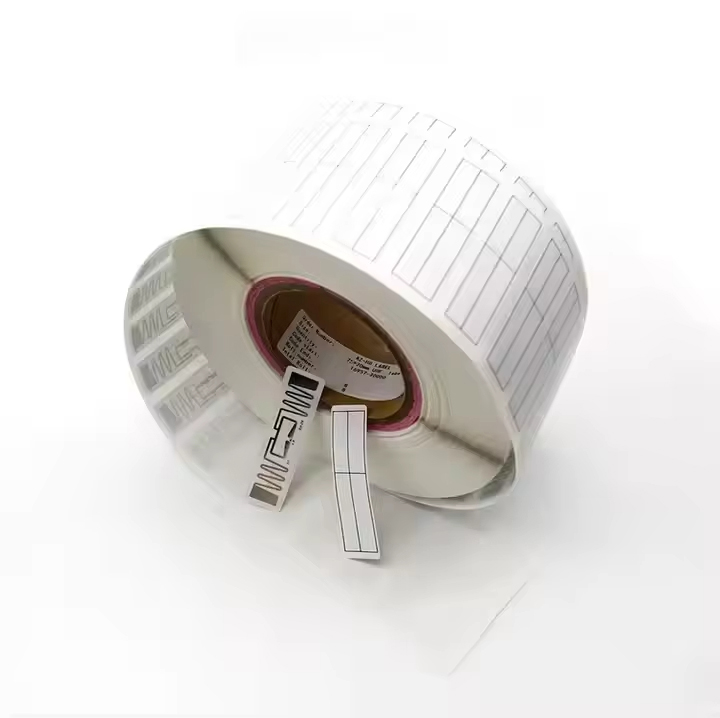 Brand tags on clothes have evolved far beyond simple fabric labels stitched into collars or seams. Today, they are at the forefront of a technological revolution, integrating **Radio-Frequency Identification (RFID)** and **Near Field Communication (NFC)** to transform how we interact with our garments. This integration is not just about logistics; it's about creating a seamless bridge between the physical item and the digital world, enhancing everything from inventory management to customer engagement and sustainability.
 ## How RFID and NFC Work in Clothing Tags
### The Technology Behind the Tag
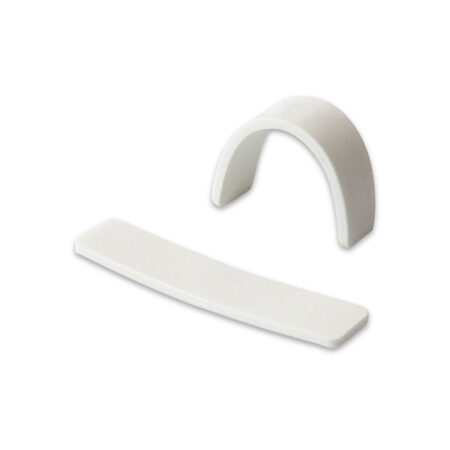
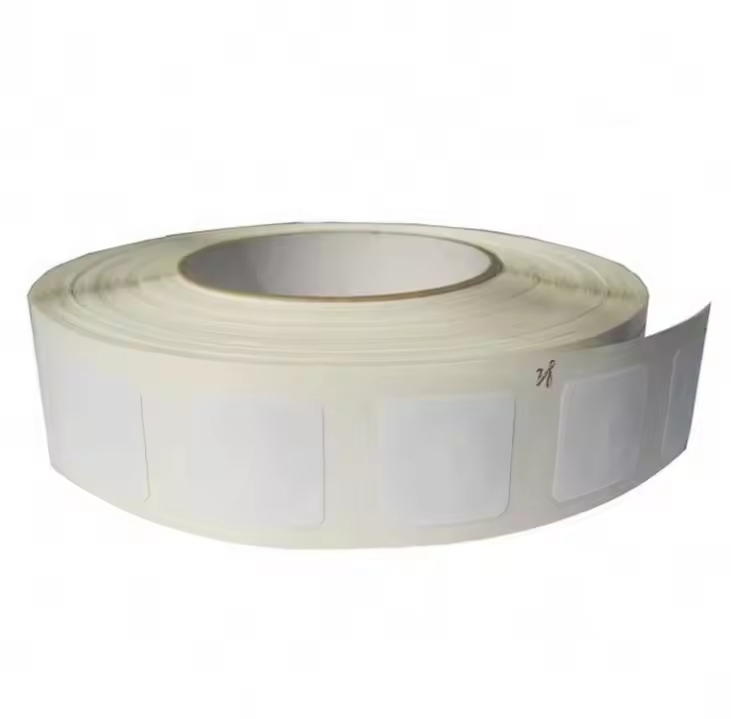
Modern brand tags on clothes often contain tiny, paper-thin RFID inlays or NFC chips embedded within the label itself. These are passive devices, meaning they have no internal power source. Instead, they are activated by the electromagnetic field emitted by an RFID reader or an NFC-enabled smartphone.
* **RFID Tags:** Typically operate at Ultra-High Frequency (UHF, 860-960 MHz) for supply chain applications, allowing for long-range, bulk reading of items in a carton or on a rack. High-Frequency (HF, 13.56 MHz) is also common for item-level tagging in retail.
* **NFC Tags:** A subset of HF RFID, operating at the same 13.56 MHz frequency but designed for very short-range, secure communication (within 10 cm). This makes them perfect for consumer interaction.
## How RFID and NFC Work in Clothing Tags
### The Technology Behind the Tag
Modern brand tags on clothes often contain tiny, paper-thin RFID inlays or NFC chips embedded within the label itself. These are passive devices, meaning they have no internal power source. Instead, they are activated by the electromagnetic field emitted by an RFID reader or an NFC-enabled smartphone.
* **RFID Tags:** Typically operate at Ultra-High Frequency (UHF, 860-960 MHz) for supply chain applications, allowing for long-range, bulk reading of items in a carton or on a rack. High-Frequency (HF, 13.56 MHz) is also common for item-level tagging in retail.
* **NFC Tags:** A subset of HF RFID, operating at the same 13.56 MHz frequency but designed for very short-range, secure communication (within 10 cm). This makes them perfect for consumer interaction.
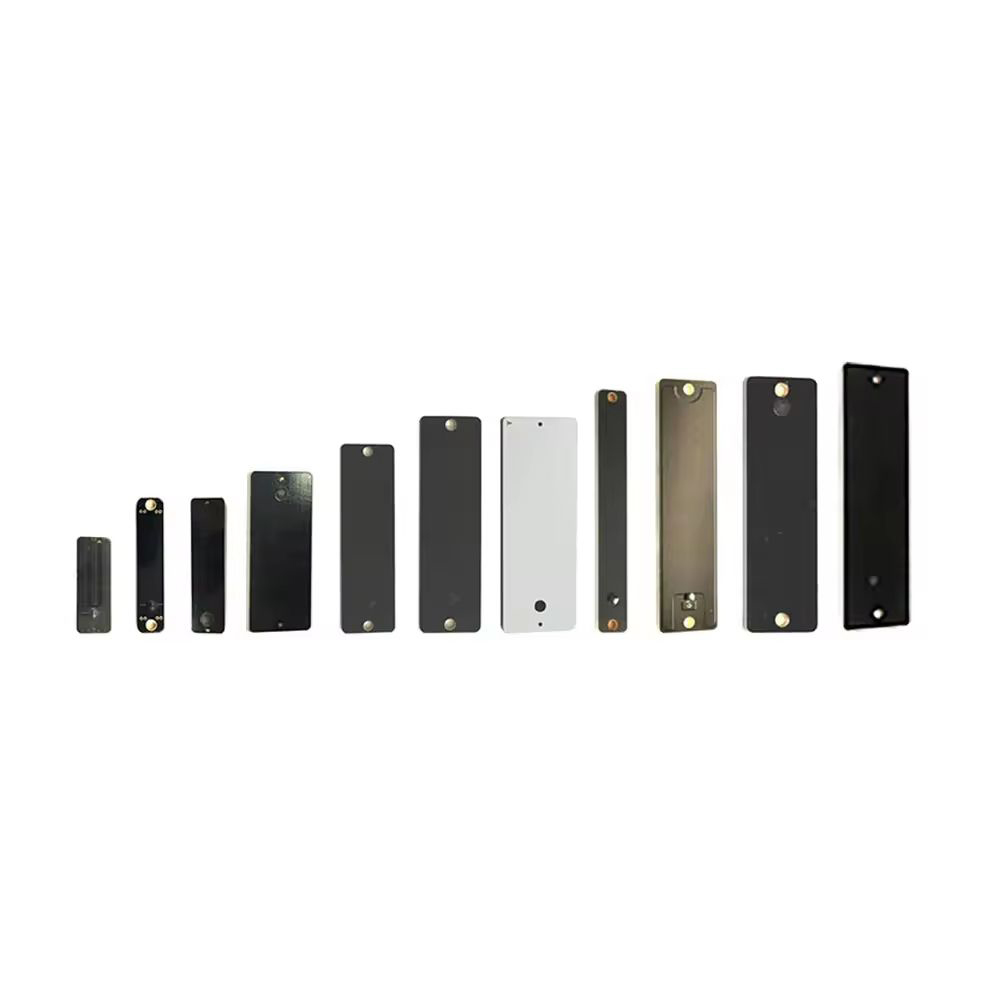 **Technical Parameters (For Reference):**
* **Chip Example (UHF RFID):** Impinj Monza R6. Memory: 96-bit or 128-bit EPC, 32-bit TID. Read range: Up to 10 meters.
**Technical Parameters (For Reference):**
* **Chip Example (UHF RFID):** Impinj Monza R6. Memory: 96-bit or 128-bit EPC, 32-bit TID. Read range: Up to 10 meters.
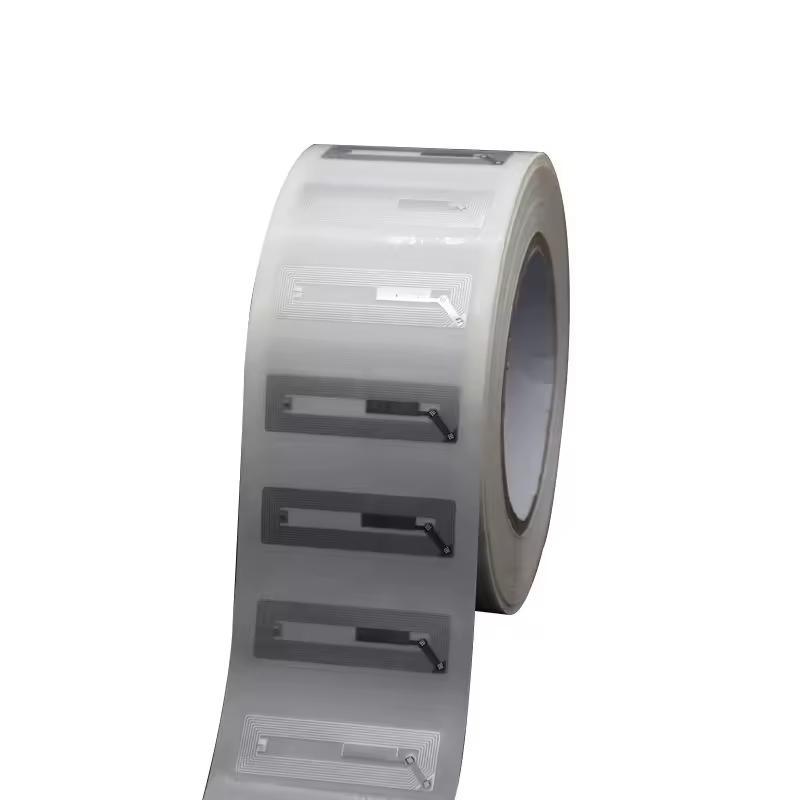 * **Chip Example (NFC):** NXP NTAG 213. Memory: 144 bytes user memory, URL/Text record capability. Compatible with NFC Forum Type 2.
* **Tag Size:** Inlays can be as small as 12mm x 12mm and thinner than 0.2mm, easily sewn into a care label or size tag.
***Note: These technical parameters are for illustrative purposes. For specific product specifications and integration, please contact our backend management team.***
## Transforming Retail Operations and Inventory
* **Chip Example (NFC):** NXP NTAG 213. Memory: 144 bytes user memory, URL/Text record capability. Compatible with NFC Forum Type 2.
* **Tag Size:** Inlays can be as small as 12mm x 12mm and thinner than 0.2mm, easily sewn into a care label or size tag.
***Note: These technical parameters are for illustrative purposes. For specific product specifications and integration, please contact our backend management team.***
## Transforming Retail Operations and Inventory
 One of the most significant impacts of RFID-enabled brand tags on clothes is in the backend of fashion retail. I recall visiting the distribution center of a major apparel brand as part of a consultancy project. The manager showed me a rack of seve