# NFC Labels: Revolutionizing Connectivity and Convenience
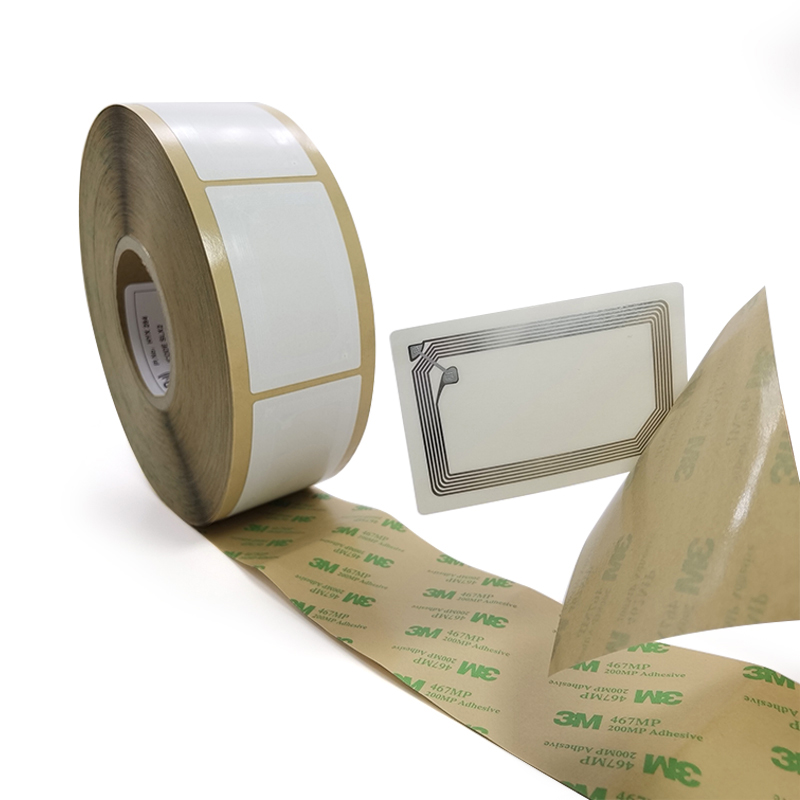
## Introduction to NFC Labels
NFC labels are transforming how we interact with the physical world, bridging the gap between objects and digital information. As someone who has worked extensively with wireless technologies, I've witnessed firsthand the remarkable evolution of Near Field Communication (NFC). My journey began a decade ago when I first experimented with basic RFID tags for inventory management. The shift to NFC felt like unlocking a new dimension of interaction—one where a simple tap could initiate complex, personalized actions. This personal experience solidified my belief in NFC's potential to simplify daily tasks and enhance user engagement across countless scenarios.
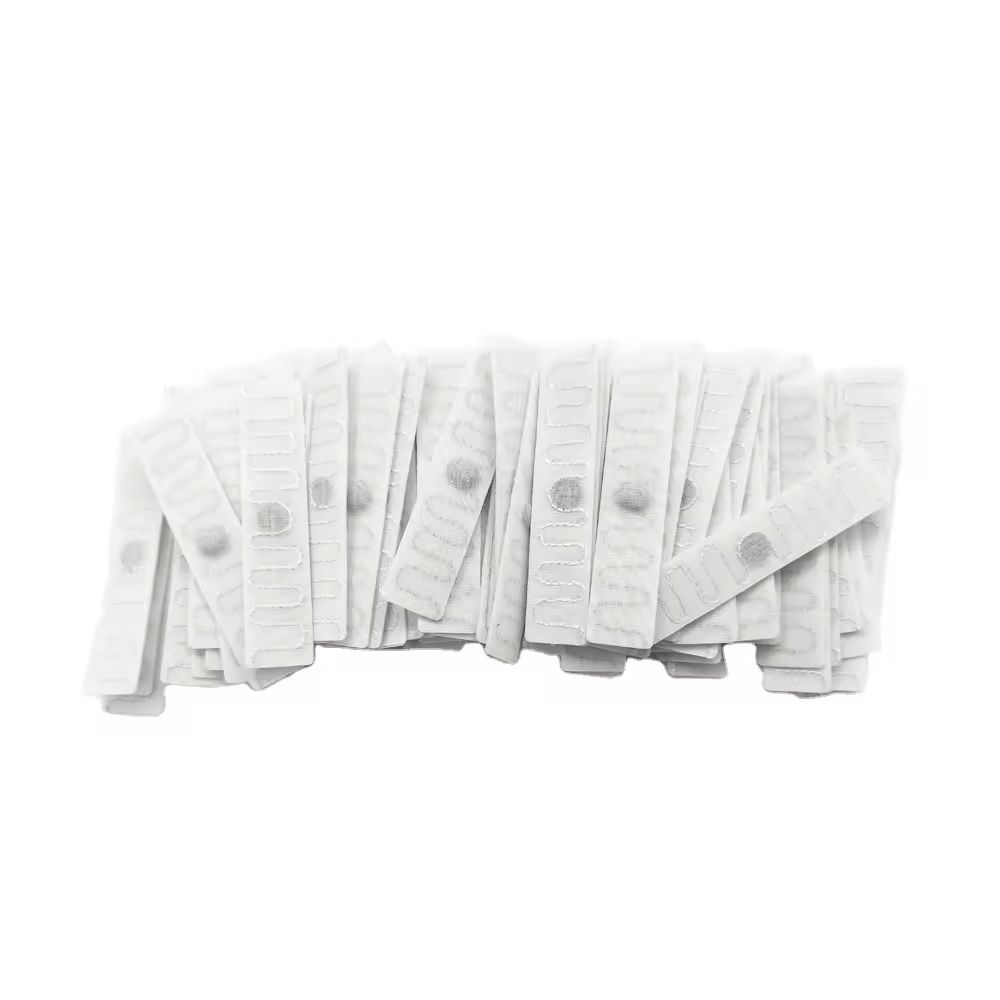
## Understanding NFC Technology and Its Core Components
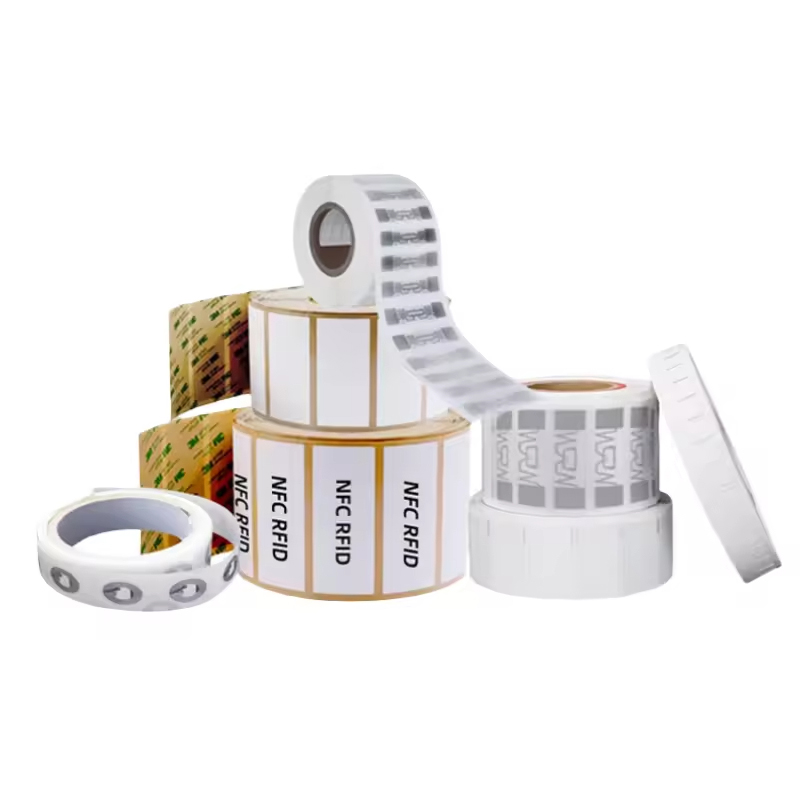
### How NFC Labels Work
NFC labels are passive devices that contain a small microchip and an antenna. They operate on the principle of electromagnetic induction. When an NFC-enabled device, like a smartphone, comes within close proximity (typically less than 4 cm), the reader's radio frequency field powers the label. The label then transmits its stored data back to the reader. This seamless, contactless exchange is what makes NFC so intuitive and user-friendly.
### Technical Specifications and Parameters of Common NFC Labels
Providing detailed technical parameters is crucial for developers and integrators. Below are specifications for a common NFC label type, the **NTAG213**. *Please note: These technical parameters are for reference data. Specific requirements and customizations should be discussed by contacting the backend management team.*
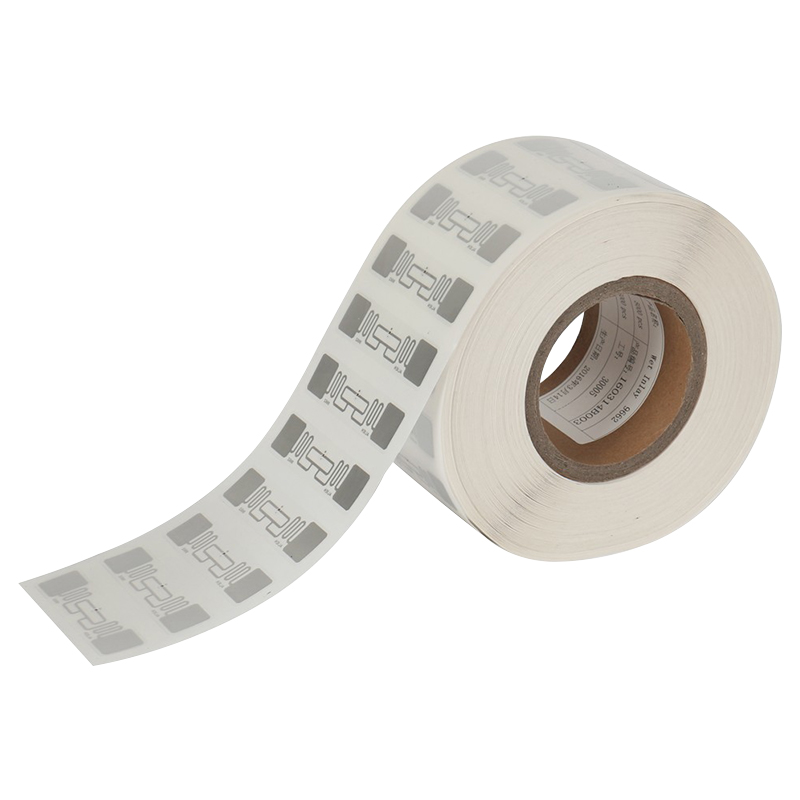
* **Chip Manufacturer & Code:** NXP Semiconductors, NTAG213
* **Communication Protocol:** ISO/IEC 14443 Type A
* **Operating Frequency:** 13.56 MHz
* **Data Transmission Rate:** 106 kbit/s
* **Memory:**
* **User Memory:** 144 bytes
* **Total Memory:** 180 bytes (includes data, configuration, and lock bytes)
* **Data Retention:** 10 years
* **Write Endurance:** 100,000 cycles
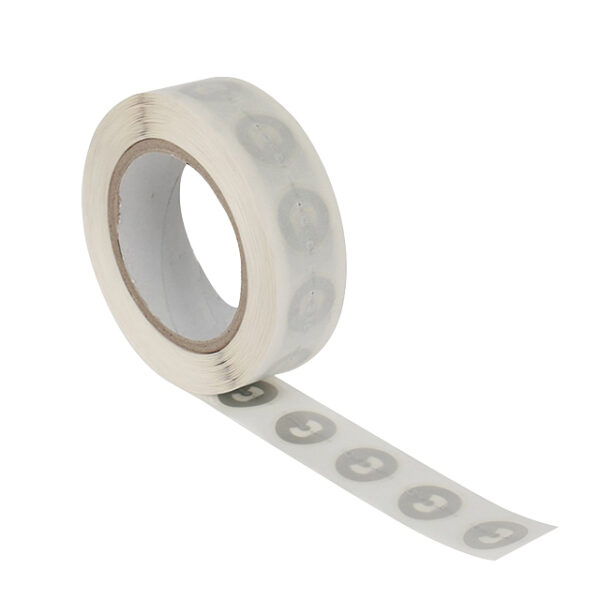
* **Physical Dimensions (Example Label):** 25mm diameter (round label), thickness of 0.2mm. Antenna is typically etched aluminum or printed silver ink.
* **Operating Temperature:** -25°C to +70°C
* **Unique Identifier (UID):** 7-byte serial number, factory-locked and unique.
T