# RFID Tag Explained: A Comprehensive Guide
## Understanding RFID Technology Fundamentals
RFID (Radio-Frequency Identification) tags represent one of the most transformative identification technologies developed in recent decades. These small electronic devices use electromagnetic fields to automatically identify and track objects without requiring direct line-of-sight contact. During my early career in logistics management, I witnessed firsthand how implementing RFID systems revolutionized our warehouse operations—reducing inventory counting time by 75% while improving accuracy to unprecedented levels. This personal experience demonstrated how seemingly simple technology could dramatically enhance operational efficiency across multiple industries.
## How RFID Tags Work: The Technical Breakdown
### Basic Operating Principles
RFID systems consist of three primary components: the RFID tag itself (containing a microchip and antenna), an RFID reader, and a backend database system. When the reader emits radio waves, the RFID tag's antenna receives this energy and powers the microchip, which then transmits its stored data back to the reader. This entire process typically occurs within milliseconds, enabling rapid identification of multiple items simultaneously.
### RFID Tag Types and Classifications
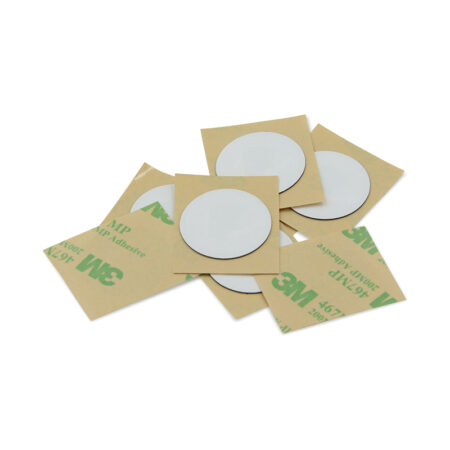
RFID tags are categorized based on several factors:
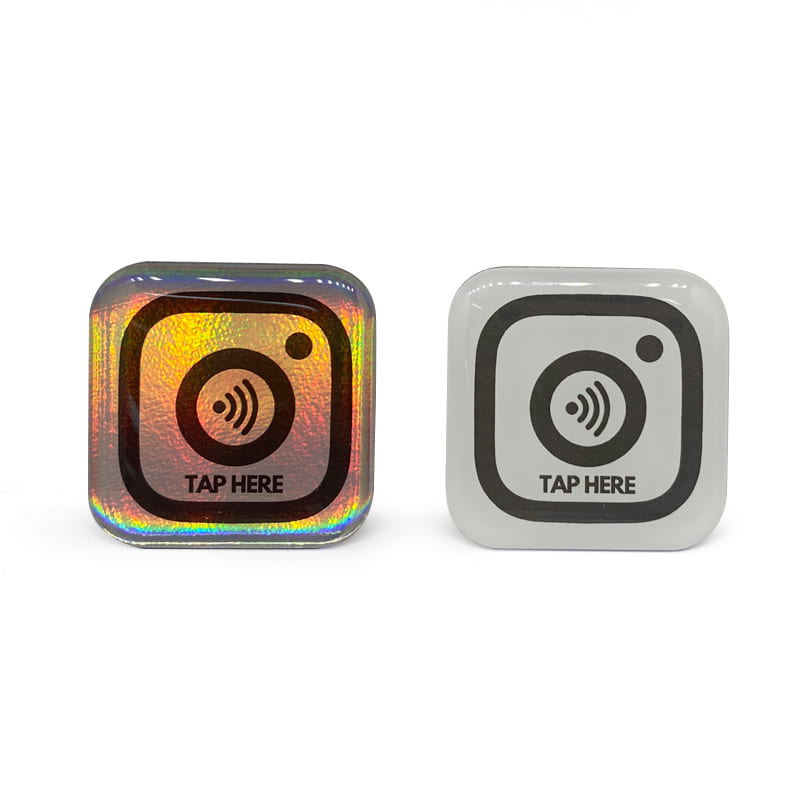
**Power Source Classification:**
- Passive RFID tags: These contain no internal power source and rely entirely on the electromagnetic energy transmitted by the reader to power their circuitry. They're typically smaller, less expensive, and have unlimited operational lifespans.
- Active RFID tags: These incorporate an internal battery that powers the tag's circuitry, allowing for greater read ranges (up to 100 meters) and additional capabilities like environmental sensors.
- Semi-passive RFID tags: These hybrid devices contain batteries to power the microchip but rely on the reader's signal for communication.
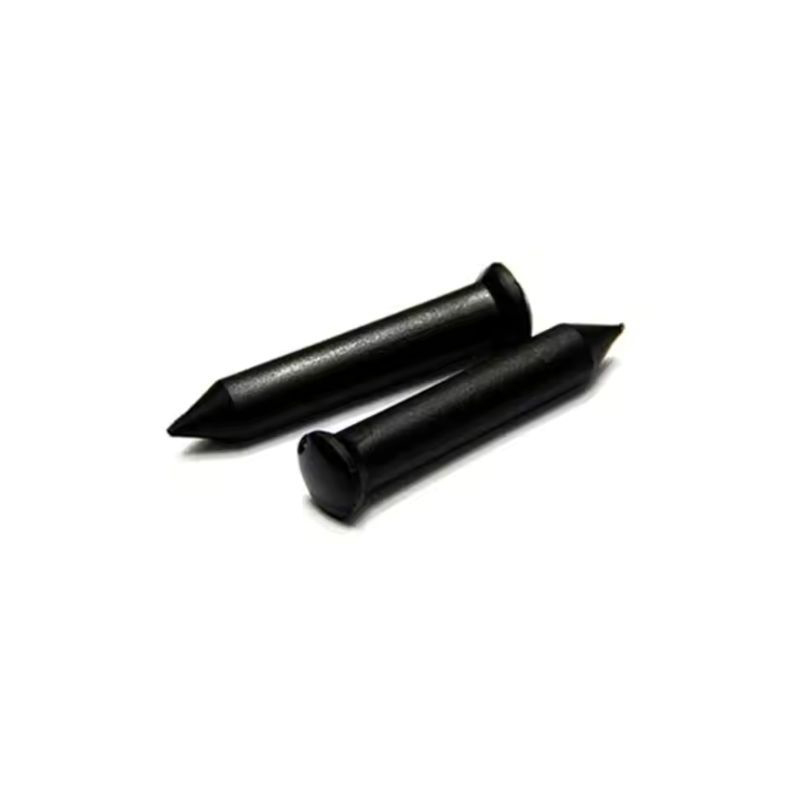
**Frequency Range Classification:**
- Low Frequency (LF) RFID: 125-134 kHz range with read distances up to 10 cm
- High Frequency (HF) RFID: 13.56 MHz frequency with read distances up to 1 meter
- Ultra-High Frequency (UHF) RFID: 860-960 MHz range with read distances up to 12 meters

- Microwave RFID: 2.45 GHz and 5.8 GHz frequencies with specialized applications
## Technical Specifications and Performance Metrics
### RFID Tag Technical Parameters
When evaluating RFID tags for specific applications, several technical parameters mus