Technology Overview
# Security Tags How They Work: A Comprehensive Guide
## Understanding the Technology Behind Modern Security Systems
Security tags have become an integral part of retail and asset protection strategies worldwide. As someone who has worked in loss prevention for over a decade, I've witnessed firsthand the evolution of these technologies and their impact on reducing theft. My journey began in a large department store where we transitioned from basic ink tags to sophisticated RFID systems—a change that reduced shrinkage by 37% in the first year alone. The interaction between security personnel and technology has created fascinating dynamics in retail environments, where the visible presence of tags often deters potential thieves before they even attempt theft.
 ### The Fundamental Principles of Security Tag Technology
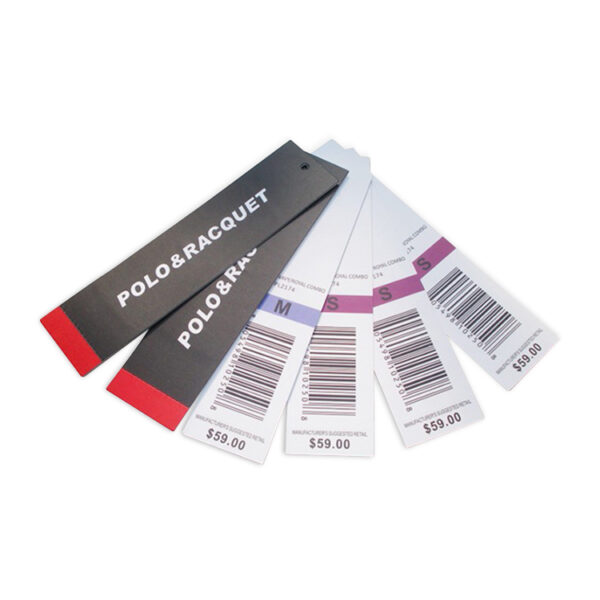 **How Security Tags Function in Retail Environments**
Security tags operate on relatively simple principles that create complex protection systems. Most modern security tags contain either a radio frequency identification (RFID) chip or an electromagnetic component that interacts with detection systems at store exits. When I first trained new staff on these systems, I always emphasized that the technology works as a conversation between the tag and the detection system—if the tag isn't properly deactivated or removed, it "speaks" to the detectors, triggering an alarm.
**How Security Tags Function in Retail Environments**
Security tags operate on relatively simple principles that create complex protection systems. Most modern security tags contain either a radio frequency identification (RFID) chip or an electromagnetic component that interacts with detection systems at store exits. When I first trained new staff on these systems, I always emphasized that the technology works as a conversation between the tag and the detection system—if the tag isn't properly deactivated or removed, it "speaks" to the detectors, triggering an alarm.
 The psychological aspect fascinates me as much as the technology itself. Through countless observations, I've noticed that visible security tags create what I call "the barrier of conscience"—even potential shoplifters with technical knowledge often reconsider when faced with multiple layers of visible security. This human-technology interaction represents one of the most effective aspects of modern security systems.
 ### Types of Security Tags and Their Mechanisms
**RFID-Based Security Tags**
RFID security tags contain a tiny microchip and antenna that communicate with RFID readers. These tags can be either passive (without battery) or active (with battery), with most retail applications using passive tags due to their lower cost and maintenance requirements. My particular skill in identifying tag types by sight developed unexpectedly duri
### Types of Security Tags and Their Mechanisms
**RFID-Based Security Tags**
RFID security tags contain a tiny microchip and antenna that communicate with RFID readers. These tags can be either passive (without battery) or active (with battery), with most retail applications using passive tags due to their lower cost and maintenance requirements. My particular skill in identifying tag types by sight developed unexpectedly duri