Technology Overview
# Wiliot Tags: Revolutionizing IoT with Ambient Energy Harvesting
 ## Introduction to Wiliot Tags
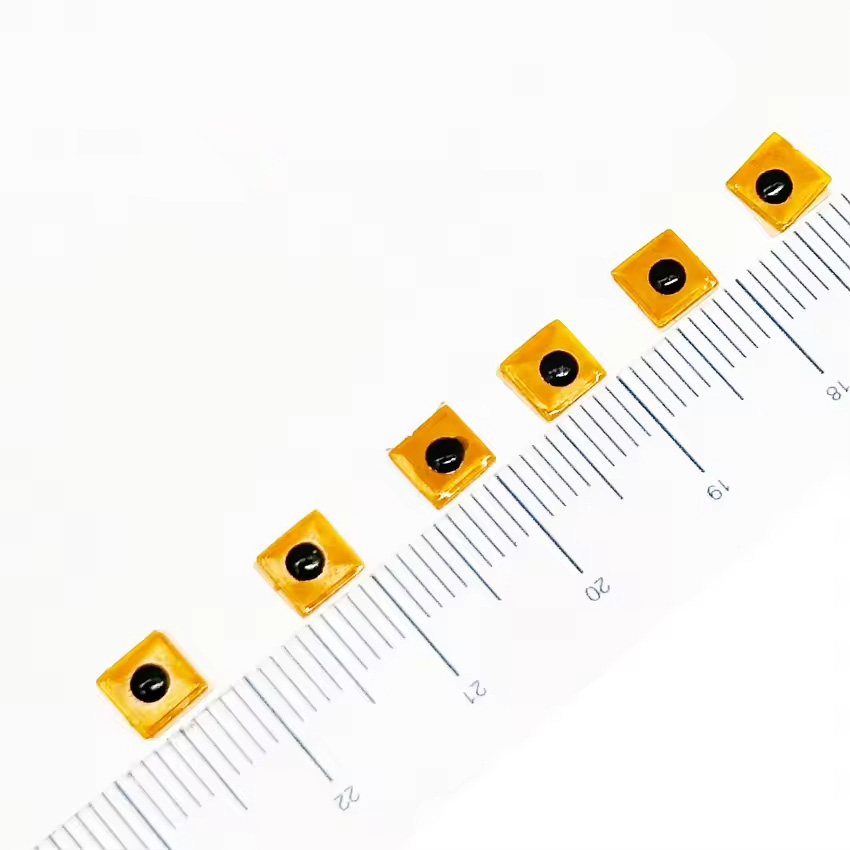 Wiliot tags represent a groundbreaking advancement in the Internet of Things (IoT) and wireless sensing technology. These postage-stamp-sized, battery-free Bluetooth sensors are redefining asset tracking, supply chain management, and product intelligence by harnessing ambient energy from radio frequencies, including cellular, Wi-Fi, and Bluetooth signals themselves. My personal experience with implementing IoT solutions across various industries has consistently highlighted a critical pain point: the power and maintenance burden of traditional sensors. Wiliot's innovation directly addresses this, offering a glimpse into a truly scalable and sustainable connected future. The ability to embed intelligence into everyday items without worrying about battery life or replacement cycles is not just convenient; it's transformative.
## How Wiliot Tags Work: The Technology Behind the Magic
Wiliot tags represent a groundbreaking advancement in the Internet of Things (IoT) and wireless sensing technology. These postage-stamp-sized, battery-free Bluetooth sensors are redefining asset tracking, supply chain management, and product intelligence by harnessing ambient energy from radio frequencies, including cellular, Wi-Fi, and Bluetooth signals themselves. My personal experience with implementing IoT solutions across various industries has consistently highlighted a critical pain point: the power and maintenance burden of traditional sensors. Wiliot's innovation directly addresses this, offering a glimpse into a truly scalable and sustainable connected future. The ability to embed intelligence into everyday items without worrying about battery life or replacement cycles is not just convenient; it's transformative.
## How Wiliot Tags Work: The Technology Behind the Magic
 At the heart of Wiliot tags is a sophisticated system of ambient energy harvesting. Unlike passive RFID or standard NFC, which require a dedicated, high-power reader in close proximity to energize the tag, Wiliot's pixel-sized computer can scavenge minute amounts of energy from a wide range of ambient RF sources.
 ### Core Technical Architecture
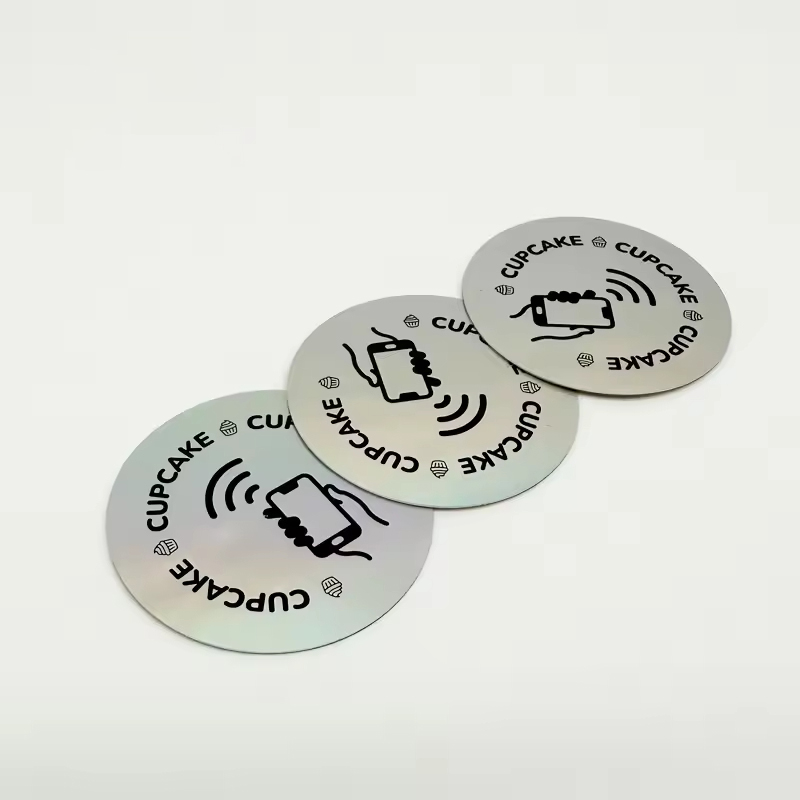
The tag's operation is a testament to ultra-low-power design and intelligent computing. Here is a detailed look at its core components and parameters:
**Technical Specifications & Detailed Parameters (For Reference):**
* **Dimensions:** Approximately 20mm x 10mm x 0.3mm (similar to a standard postage stamp). The exact form factor can be customized for specific integration needs (e.g., adhesive labels, embedded in packaging).
### Core Technical Architecture
The tag's operation is a testament to ultra-low-power design and intelligent computing. Here is a detailed look at its core components and parameters:
**Technical Specifications & Detailed Parameters (For Reference):**
* **Dimensions:** Approximately 20mm x 10mm x 0.3mm (similar to a standard postage stamp). The exact form factor can be customized for specific integration needs (e.g., adhesive labels, embedded in packaging).
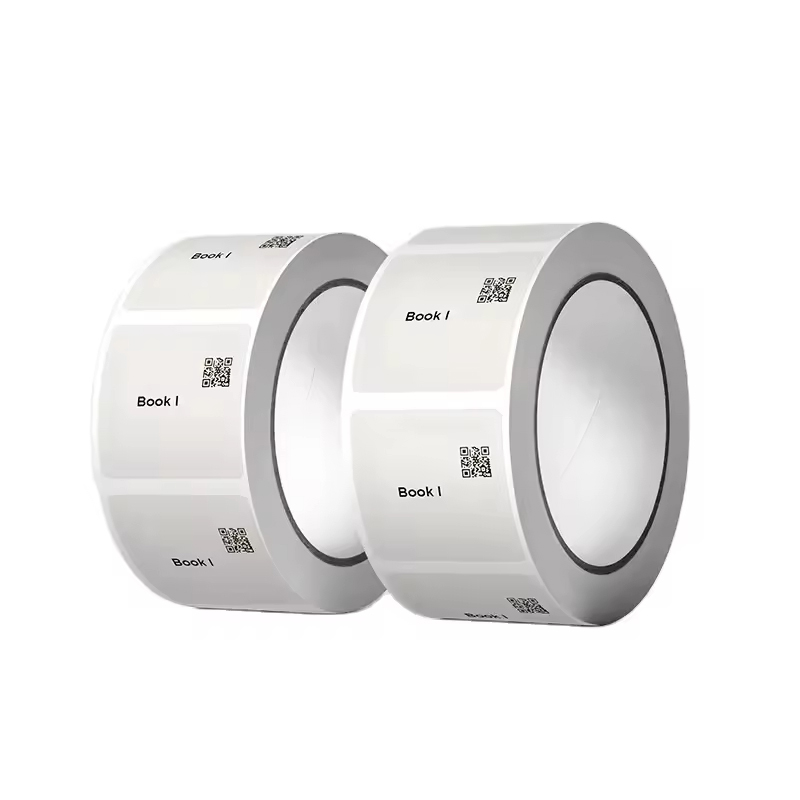 * **Core Chip:** Wiliot's proprietary Application-Specific Integrated Circuit (ASIC). This chip is the brain of the tag, integrating the energy harvester, sensor interfaces, microcontroller, and Bluetooth Low Energy (BLE) radio.
* **Energy Source:** Ambient RF energy (900MHz, 2.4GHz, 5GHz bands) from sources like Wi-Fi routers, Bluetooth beacons, and cellular towers. It does not contain a battery.
* **Communication Protocol:** Bluetooth Low Energy (BLE) 5.1. It broadcasts sensor data packets that can be received by standard smartphones, gateways, o
* **Core Chip:** Wiliot's proprietary Application-Specific Integrated Circuit (ASIC). This chip is the brain of the tag, integrating the energy harvester, sensor interfaces, microcontroller, and Bluetooth Low Energy (BLE) radio.
* **Energy Source:** Ambient RF energy (900MHz, 2.4GHz, 5GHz bands) from sources like Wi-Fi routers, Bluetooth beacons, and cellular towers. It does not contain a battery.
* **Communication Protocol:** Bluetooth Low Energy (BLE) 5.1. It broadcasts sensor data packets that can be received by standard smartphones, gateways, o