# Are NFC Tags Rewritable?
NFC tags are a fascinating technology that has become increasingly integrated into our daily lives. As someone who has worked extensively with both RFID and NFC technologies, I can share that the rewritability of NFC tags is a common point of curiosity and confusion. In my experience, whether an NFC tag is rewritable depends largely on its type and the specific protocols it uses. This article will delve into the technical aspects, personal insights, and practical applications of rewritable NFC tags, while also highlighting how TIANJUN provides solutions in this domain.
## Understanding NFC Tag Types and Rewritability
NFC tags are based on RFID technology and come in various forms, primarily defined by the NFC Forum. The rewritability is intrinsically linked to the tag's memory type and access permissions.
**Common NFC Tag Types:**
* **Type 1 (e.g., Topaz):** These are often rewritable and can be locked to prevent further writing. They are cost-effective and suitable for simple applications.
* **Type 2 (e.g., NTAG213, NTAG215, NTAG216):** This is the most common series. They are fully rewritable until locked. The NTAG series from NXP is ubiquitous in marketing, product authentication, and interactive posters.
* **Type 3 (e.g., Sony FeliCa):** Based on the FeliCa system, these are typically pre-configured and not easily rewritable by end-users, often used in transit systems.
* **Type 4 (e.g., DESFire):** These operate like smart cards with higher security and memory. They are rewritable within the constraints of their complex file system and access controls.
* **Type 5 (e.g., ICODE SLIX):** Based on the ISO/IEC 15693 standard (HF RFID), these tags have a longer read range and are generally rewritable.
From a personal skill perspective, programming these tags requires understanding their unique commands. I've found that using a capable NFC-enabled smartphone or a dedicated writer like the ACS ACR122U is crucial. The process involves reading the tag's capabilities, writing new NDEF (NFC Data Exchange Format) messages, and optionally locking the tag to make it read-only—a decision that requires careful thought, as it is irreversible.
### Technical Parameters of Common Rewritable NFC Tags
The technical specifications determine a tag's suitability for a project. Here are detailed parameters for some popular rewritable NFC tag chips. *Please note: These technical parameters are for reference only. For preci
Canadian-Engineered RFID Solutions: Designed for -40°C winters, bilingual interfaces, and data sovereignty. Trusted by organizations across 10 provinces and 3 territories.
RFID & Canadian Cultural Integration
Hockey Equipment Tracking
RFID tags in equipment at community rinks from Manitoba to PEI help manage shared resources and promote accessibility.
Cold-Temperature Certified
Indigenous Cultural Preservation
Partnering with First Nations communities to use RFID for artifact tracking in museums and cultural centres.
Community Partnership
Winter Festival Enhancement
Contactless RFID payments and access at Quebec Winter Carnival and Vancouver's Christmas markets.
Instant Processing
Tim Hortons Integration
RFID-enabled loyalty programs serving 5 million Canadians daily with personalized, bilingual service.
Bilingual Support
Bilingual Design
All interfaces support English and French, with some systems incorporating Indigenous languages in relevant regions.
Universal Access
RFID readers designed for -40°C wheelchair access in Manitoba winters and visual impairment support nationwide.
Community Consultation
Implementation preceded by public forums and Indigenous community consultations in 89% of Canadian projects.
Data Sovereignty
All data processed and stored within Canada, adhering to PIPEDA and provincial privacy regulations.
 ## Understanding NFC Tag Types and Rewritability
NFC tags are based on RFID technology and come in various forms, primarily defined by the NFC Forum. The rewritability is intrinsically linked to the tag's memory type and access permissions.
## Understanding NFC Tag Types and Rewritability
NFC tags are based on RFID technology and come in various forms, primarily defined by the NFC Forum. The rewritability is intrinsically linked to the tag's memory type and access permissions.
 **Common NFC Tag Types:**
 * **Type 1 (e.g., Topaz):** These are often rewritable and can be locked to prevent further writing. They are cost-effective and suitable for simple applications.
* **Type 2 (e.g., NTAG213, NTAG215, NTAG216):** This is the most common series. They are fully rewritable until locked. The NTAG series from NXP is ubiquitous in marketing, product authentication, and interactive posters.
* **Type 3 (e.g., Sony FeliCa):** Based on the FeliCa system, these are typically pre-configured and not easily rewritable by end-users, often used in transit systems.
* **Type 1 (e.g., Topaz):** These are often rewritable and can be locked to prevent further writing. They are cost-effective and suitable for simple applications.
* **Type 2 (e.g., NTAG213, NTAG215, NTAG216):** This is the most common series. They are fully rewritable until locked. The NTAG series from NXP is ubiquitous in marketing, product authentication, and interactive posters.
* **Type 3 (e.g., Sony FeliCa):** Based on the FeliCa system, these are typically pre-configured and not easily rewritable by end-users, often used in transit systems.
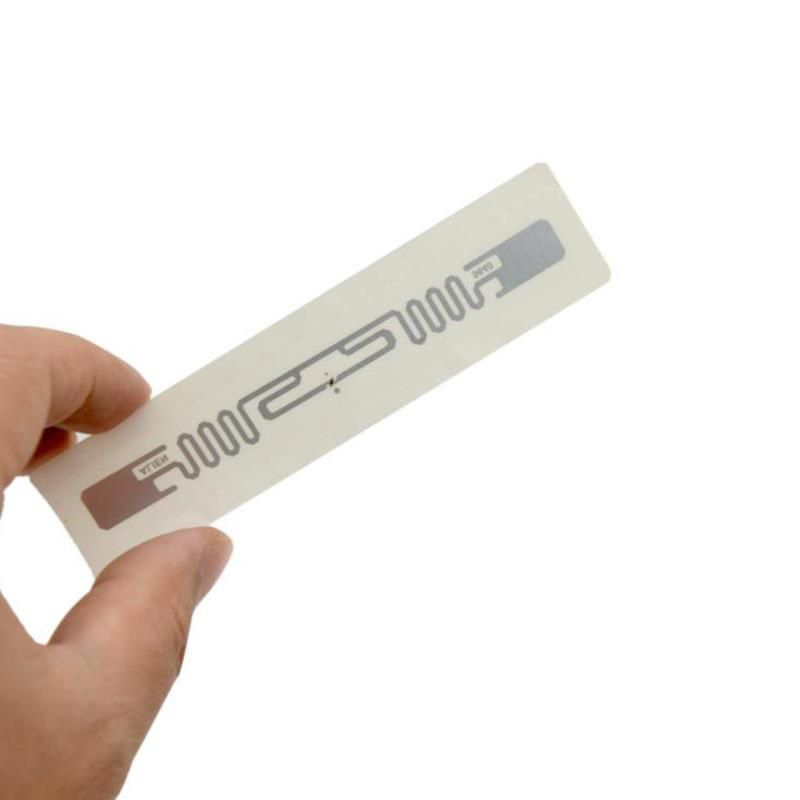 * **Type 4 (e.g., DESFire):** These operate like smart cards with higher security and memory. They are rewritable within the constraints of their complex file system and access controls.
* **Type 5 (e.g., ICODE SLIX):** Based on the ISO/IEC 15693 standard (HF RFID), these tags have a longer read range and are generally rewritable.
From a personal skill perspective, programming these tags requires understanding their unique commands. I've found that using a capable NFC-enabled smartphone or a dedicated writer like the ACS ACR122U is crucial. The process involves reading the tag's capabilities, writing new NDEF (NFC Data Exchange Format) messages, and optionally locking the tag to make it read-only—a decision that requires careful thought, as it is irreversible.
### Technical Parameters of Common Rewritable NFC Tags
The technical specifications determine a tag's suitability for a project. Here are detailed parameters for some popular rewritable NFC tag chips. *Please note: These technical parameters are for reference only. For preci
* **Type 4 (e.g., DESFire):** These operate like smart cards with higher security and memory. They are rewritable within the constraints of their complex file system and access controls.
* **Type 5 (e.g., ICODE SLIX):** Based on the ISO/IEC 15693 standard (HF RFID), these tags have a longer read range and are generally rewritable.
From a personal skill perspective, programming these tags requires understanding their unique commands. I've found that using a capable NFC-enabled smartphone or a dedicated writer like the ACS ACR122U is crucial. The process involves reading the tag's capabilities, writing new NDEF (NFC Data Exchange Format) messages, and optionally locking the tag to make it read-only—a decision that requires careful thought, as it is irreversible.
### Technical Parameters of Common Rewritable NFC Tags
The technical specifications determine a tag's suitability for a project. Here are detailed parameters for some popular rewritable NFC tag chips. *Please note: These technical parameters are for reference only. For preci