# Branded Tags for Clothing: The Future of Fashion with RFID and NFC Technology
## Revolutionizing the Fashion Industry One Tag at a Time
In the dynamic world of fashion, where authenticity, supply chain transparency, and customer engagement are paramount, **branded tags for clothing** are undergoing a seismic shift. No longer just simple fabric labels with care instructions, these tags are becoming intelligent, interactive touchpoints powered by **Radio-Frequency Identification (RFID)** and **Near Field Communication (NFC)** technology. I still remember visiting a high-end boutique a few years ago and being fascinated by how the staff could instantly check inventory for a specific blazer size without leaving the customer's side. That was my first hands-on encounter with RFID in retail, and it felt like magic. The seamless interaction between the tag and the handheld scanner hinted at a future where every garment could tell its own story.
### The Technical Heart: How RFID and NFC Tags Work
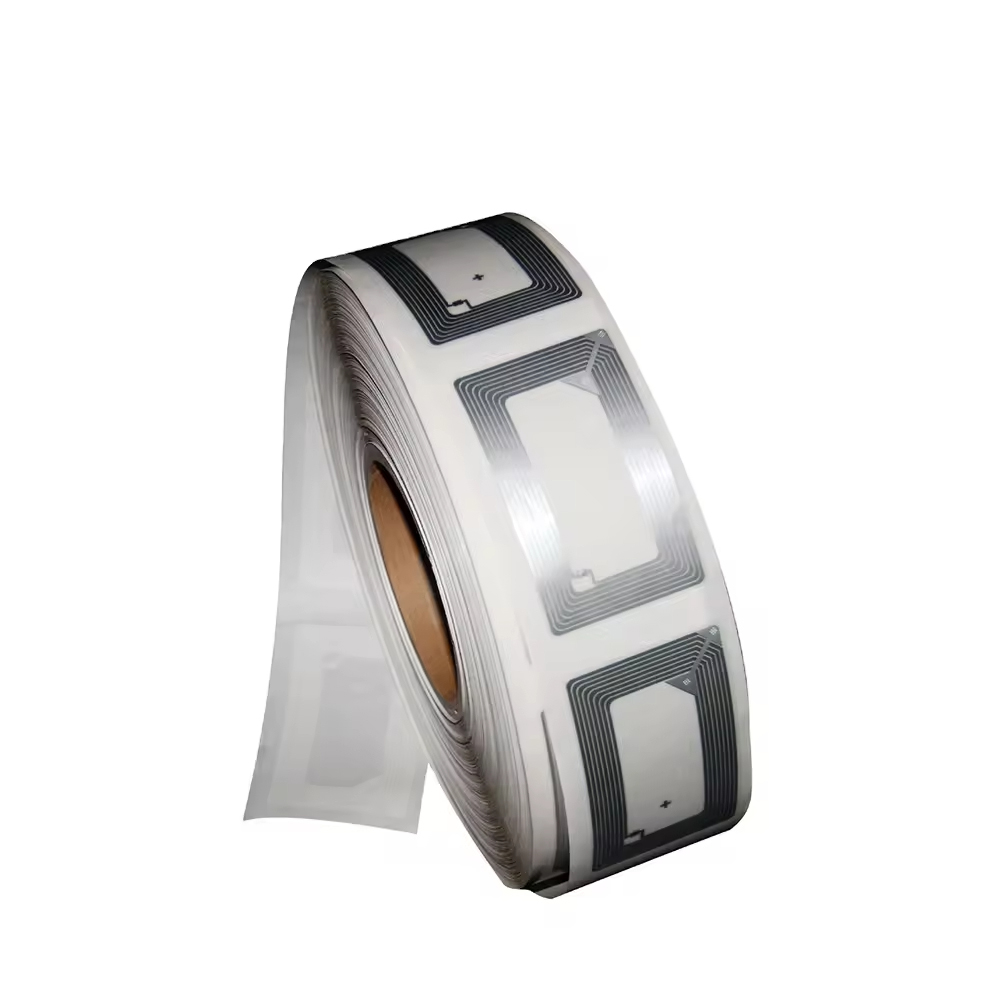
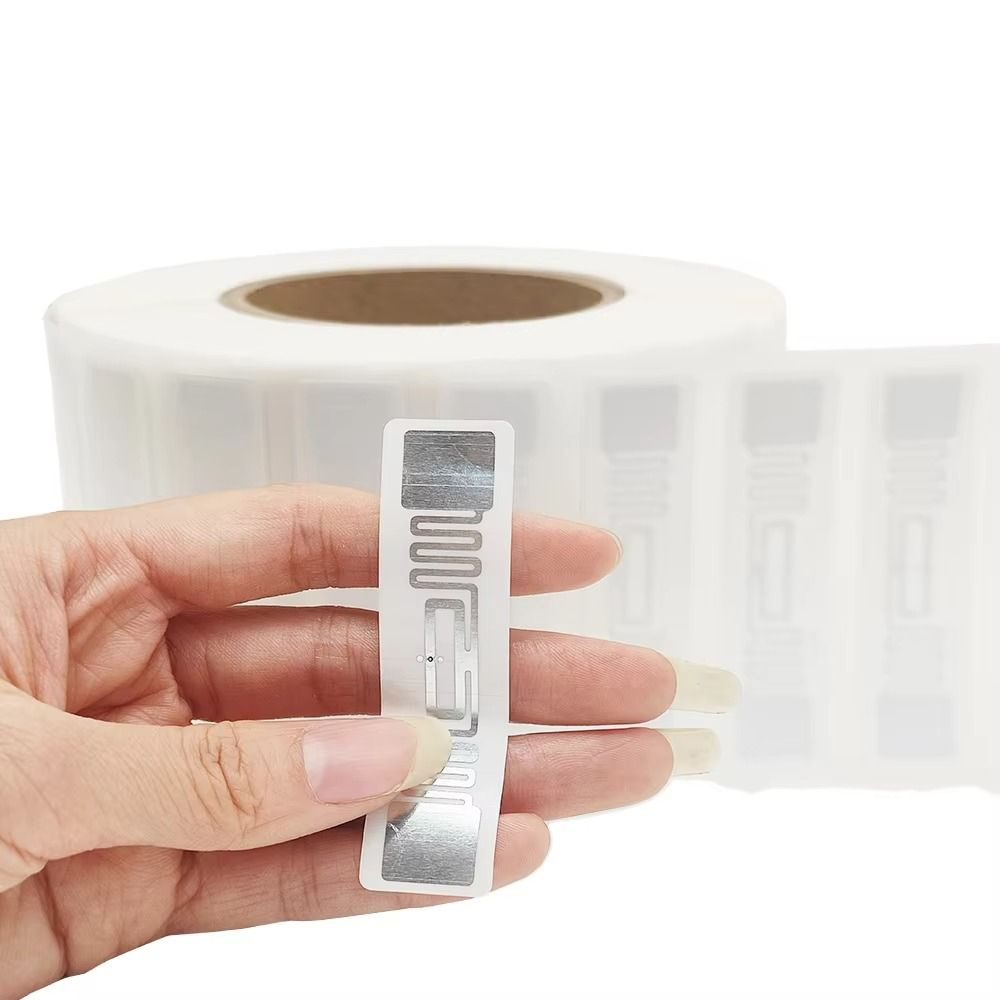
At their core, both technologies are about wireless communication. An RFID system consists of a tag (or transponder) attached to the item and a reader (or interrogator). The tag contains a microchip and an antenna. When the reader emits a radio wave, the tag's antenna picks it up, powering the chip to transmit its unique identification data back. NFC is a subset of high-frequency RFID that operates at 13.56 MHz and enables two-way communication between devices over very short distances (typically less than 4 inches).
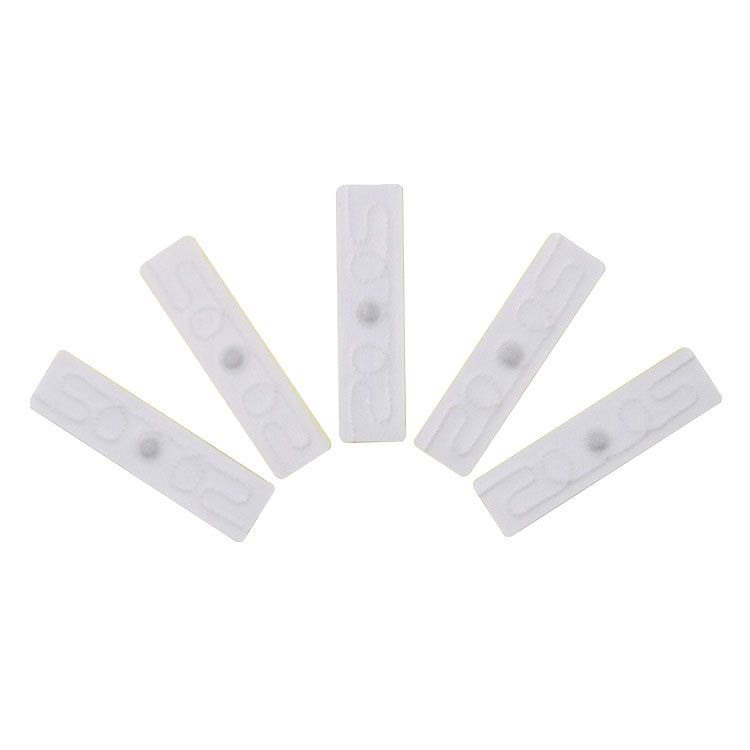
My personal view is that the true genius of these technologies lies in their subtlety and power. An NFC tag can be seamlessly woven into a brand's existing hangtag or care label, invisible to the consumer until they choose to engage with it using their smartphone. This blend of physical product and digital layer is where modern branding truly comes alive.
#### Showcasing Skill: A Personal Customization Project
Leveraging my background in product development, I recently spearhead
Canadian-Engineered RFID Solutions: Designed for -40°C winters, bilingual interfaces, and data sovereignty. Trusted by organizations across 10 provinces and 3 territories.
RFID & Canadian Cultural Integration
Hockey Equipment Tracking
RFID tags in equipment at community rinks from Manitoba to PEI help manage shared resources and promote accessibility.
Cold-Temperature Certified
Indigenous Cultural Preservation
Partnering with First Nations communities to use RFID for artifact tracking in museums and cultural centres.
Community Partnership
Winter Festival Enhancement
Contactless RFID payments and access at Quebec Winter Carnival and Vancouver's Christmas markets.
Instant Processing
Tim Hortons Integration
RFID-enabled loyalty programs serving 5 million Canadians daily with personalized, bilingual service.
Bilingual Support
Bilingual Design
All interfaces support English and French, with some systems incorporating Indigenous languages in relevant regions.
Universal Access
RFID readers designed for -40°C wheelchair access in Manitoba winters and visual impairment support nationwide.
Community Consultation
Implementation preceded by public forums and Indigenous community consultations in 89% of Canadian projects.
Data Sovereignty
All data processed and stored within Canada, adhering to PIPEDA and provincial privacy regulations.
 ## Revolutionizing the Fashion Industry One Tag at a Time
In the dynamic world of fashion, where authenticity, supply chain transparency, and customer engagement are paramount, **branded tags for clothing** are undergoing a seismic shift. No longer just simple fabric labels with care instructions, these tags are becoming intelligent, interactive touchpoints powered by **Radio-Frequency Identification (RFID)** and **Near Field Communication (NFC)** technology. I still remember visiting a high-end boutique a few years ago and being fascinated by how the staff could instantly check inventory for a specific blazer size without leaving the customer's side. That was my first hands-on encounter with RFID in retail, and it felt like magic. The seamless interaction between the tag and the handheld scanner hinted at a future where every garment could tell its own story.
## Revolutionizing the Fashion Industry One Tag at a Time
In the dynamic world of fashion, where authenticity, supply chain transparency, and customer engagement are paramount, **branded tags for clothing** are undergoing a seismic shift. No longer just simple fabric labels with care instructions, these tags are becoming intelligent, interactive touchpoints powered by **Radio-Frequency Identification (RFID)** and **Near Field Communication (NFC)** technology. I still remember visiting a high-end boutique a few years ago and being fascinated by how the staff could instantly check inventory for a specific blazer size without leaving the customer's side. That was my first hands-on encounter with RFID in retail, and it felt like magic. The seamless interaction between the tag and the handheld scanner hinted at a future where every garment could tell its own story.
 ### The Technical Heart: How RFID and NFC Tags Work
At their core, both technologies are about wireless communication. An RFID system consists of a tag (or transponder) attached to the item and a reader (or interrogator). The tag contains a microchip and an antenna. When the reader emits a radio wave, the tag's antenna picks it up, powering the chip to transmit its unique identification data back. NFC is a subset of high-frequency RFID that operates at 13.56 MHz and enables two-way communication between devices over very short distances (typically less than 4 inches).
### The Technical Heart: How RFID and NFC Tags Work
At their core, both technologies are about wireless communication. An RFID system consists of a tag (or transponder) attached to the item and a reader (or interrogator). The tag contains a microchip and an antenna. When the reader emits a radio wave, the tag's antenna picks it up, powering the chip to transmit its unique identification data back. NFC is a subset of high-frequency RFID that operates at 13.56 MHz and enables two-way communication between devices over very short distances (typically less than 4 inches).
 My personal view is that the true genius of these technologies lies in their subtlety and power. An NFC tag can be seamlessly woven into a brand's existing hangtag or care label, invisible to the consumer until they choose to engage with it using their smartphone. This blend of physical product and digital layer is where modern branding truly comes alive.
 #### Showcasing Skill: A Personal Customization Project
Leveraging my background in product development, I recently spearhead
#### Showcasing Skill: A Personal Customization Project
Leveraging my background in product development, I recently spearhead