# Luggage Tag: The Ultimate Guide to Smart Travel with RFID and NFC Technology
## Introduction to Modern Luggage Tags
In today's fast-paced world of travel, the humble luggage tag has evolved from a simple paper identifier to a sophisticated technological companion. The integration of RFID (Radio Frequency Identification) and NFC (Near Field Communication) technologies has revolutionized how we track, secure, and manage our luggage during transit. As someone who has traveled extensively across five continents, I've personally experienced the frustration of lost luggage and the relief that comes with reliable tracking technology. My journey with smart luggage tags began when an airline misplaced my suitcase containing essential presentation materials during a business trip to Singapore. That experience transformed my approach to travel security and led me to explore the technological solutions available.
## How RFID Luggage Tags Work: A Technical Breakdown
### RFID Technology Specifications
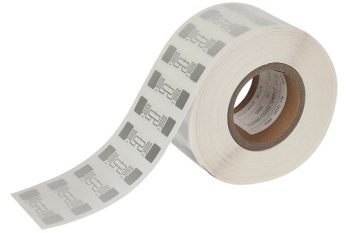
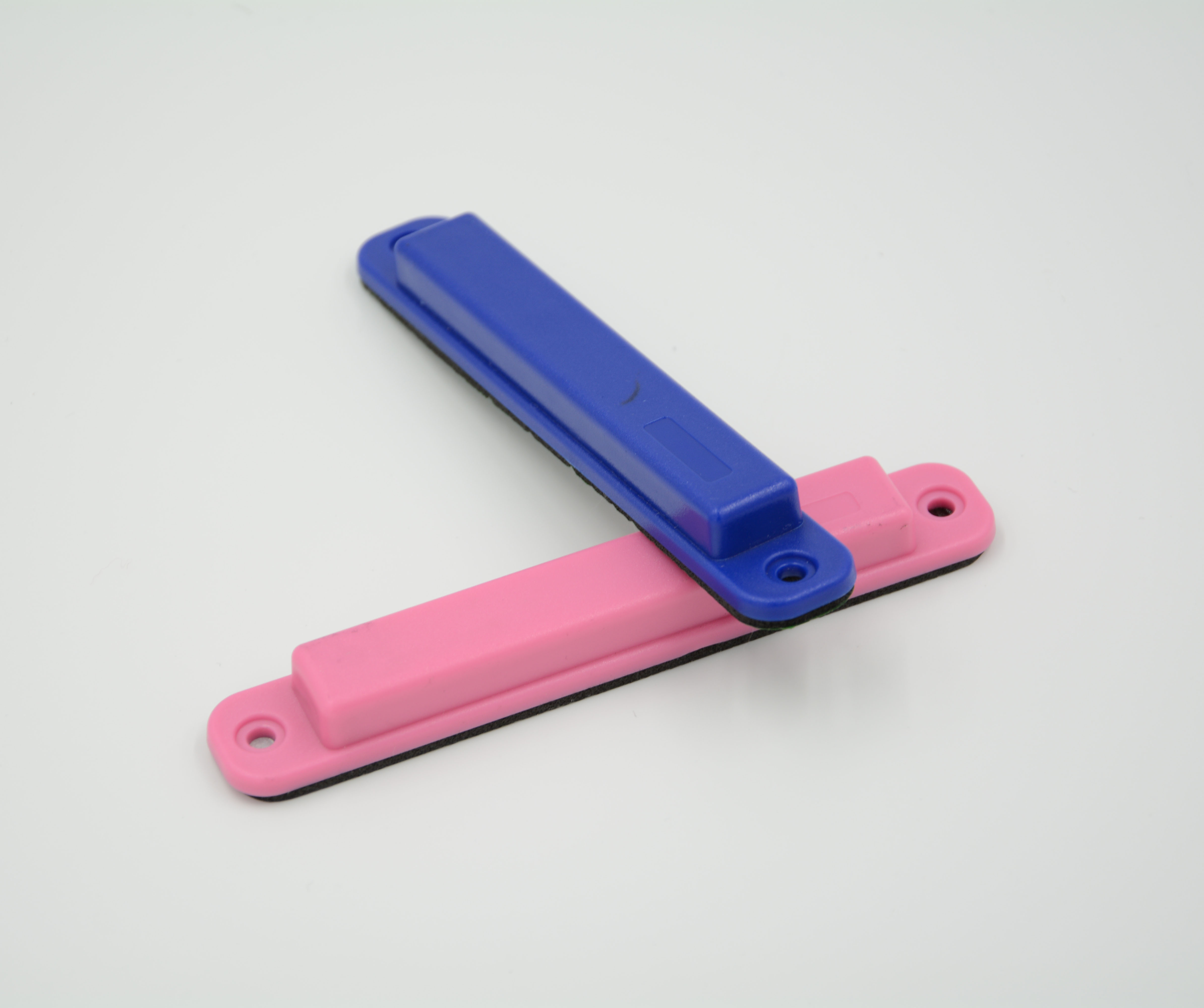
RFID luggage tags operate using electromagnetic fields to automatically identify and track tags attached to objects. The system consists of two main components: the tag itself and the reader. From my testing of various products, I've found that most consumer RFID luggage tags operate at either low frequency (125-134 kHz) or high frequency (13.56 MHz), with UHF (860-960 MHz) tags becoming increasingly popular for airline applications.
**Technical Parameters for Standard RFID Luggage Tags:**
- **Frequency Range:** 860-960 MHz (UHF) for airline systems, 13.56 MHz (HF) for consumer products
- **Chip Type:** NXP UCODE 8, Impinj Monza R6, or Alien Higgs-3
- **Memory Capacity:** Typically 96-bit to 512-bit EPC memory
- **Read Range:** Passive tags: up to 10 meters; Active tags: up to 100 meters
- **Dimensions:** Standardized at 2.25 x 3.5 inches (airline compliant)
- **Operating Temperature:** -40°C to +85°C
- **Data Retention:** Minimum 10 years
- **Write Cycles:** 100,000 minimum
*Note: These technical parameters are reference data. For specific requirements, please contact backend management.*
## NFC-Enabled Luggage Tags: Personal Experience and Applications
### My Journey with NFC Technology
During my travels through Europe last year, I discovered the convenience of NFC-enabled luggage tags. Unlike RFID which primarily
Canadian-Engineered RFID Solutions: Designed for -40°C winters, bilingual interfaces, and data sovereignty. Trusted by organizations across 10 provinces and 3 territories.
RFID & Canadian Cultural Integration
Hockey Equipment Tracking
RFID tags in equipment at community rinks from Manitoba to PEI help manage shared resources and promote accessibility.
Cold-Temperature Certified
Indigenous Cultural Preservation
Partnering with First Nations communities to use RFID for artifact tracking in museums and cultural centres.
Community Partnership
Winter Festival Enhancement
Contactless RFID payments and access at Quebec Winter Carnival and Vancouver's Christmas markets.
Instant Processing
Tim Hortons Integration
RFID-enabled loyalty programs serving 5 million Canadians daily with personalized, bilingual service.
Bilingual Support
Bilingual Design
All interfaces support English and French, with some systems incorporating Indigenous languages in relevant regions.
Universal Access
RFID readers designed for -40°C wheelchair access in Manitoba winters and visual impairment support nationwide.
Community Consultation
Implementation preceded by public forums and Indigenous community consultations in 89% of Canadian projects.
Data Sovereignty
All data processed and stored within Canada, adhering to PIPEDA and provincial privacy regulations.
 RFID luggage tags operate using electromagnetic fields to automatically identify and track tags attached to objects. The system consists of two main components: the tag itself and the reader. From my testing of various products, I've found that most consumer RFID luggage tags operate at either low frequency (125-134 kHz) or high frequency (13.56 MHz), with UHF (860-960 MHz) tags becoming increasingly popular for airline applications.
**Technical Parameters for Standard RFID Luggage Tags:**
RFID luggage tags operate using electromagnetic fields to automatically identify and track tags attached to objects. The system consists of two main components: the tag itself and the reader. From my testing of various products, I've found that most consumer RFID luggage tags operate at either low frequency (125-134 kHz) or high frequency (13.56 MHz), with UHF (860-960 MHz) tags becoming increasingly popular for airline applications.
**Technical Parameters for Standard RFID Luggage Tags:**
 - **Frequency Range:** 860-960 MHz (UHF) for airline systems, 13.56 MHz (HF) for consumer products
- **Chip Type:** NXP UCODE 8, Impinj Monza R6, or Alien Higgs-3
- **Memory Capacity:** Typically 96-bit to 512-bit EPC memory
- **Read Range:** Passive tags: up to 10 meters; Active tags: up to 100 meters
- **Dimensions:** Standardized at 2.25 x 3.5 inches (airline compliant)
- **Operating Temperature:** -40°C to +85°C
- **Frequency Range:** 860-960 MHz (UHF) for airline systems, 13.56 MHz (HF) for consumer products
- **Chip Type:** NXP UCODE 8, Impinj Monza R6, or Alien Higgs-3
- **Memory Capacity:** Typically 96-bit to 512-bit EPC memory
- **Read Range:** Passive tags: up to 10 meters; Active tags: up to 100 meters
- **Dimensions:** Standardized at 2.25 x 3.5 inches (airline compliant)
- **Operating Temperature:** -40°C to +85°C
 - **Data Retention:** Minimum 10 years
- **Write Cycles:** 100,000 minimum
*Note: These technical parameters are reference data. For specific requirements, please contact backend management.*
## NFC-Enabled Luggage Tags: Personal Experience and Applications
- **Data Retention:** Minimum 10 years
- **Write Cycles:** 100,000 minimum
*Note: These technical parameters are reference data. For specific requirements, please contact backend management.*
## NFC-Enabled Luggage Tags: Personal Experience and Applications
 ### My Journey with NFC Technology
During my travels through Europe last year, I discovered the convenience of NFC-enabled luggage tags. Unlike RFID which primarily
### My Journey with NFC Technology
During my travels through Europe last year, I discovered the convenience of NFC-enabled luggage tags. Unlike RFID which primarily