<h1>RFID Epoxy Tag: The Ultimate Guide to Durable and Versatile RFID Solutions</h1>
<h2>Introduction to RFID Epoxy Tags</h2>
RFID epoxy tags represent a pinnacle in durable asset identification technology. As someone who has managed large-scale industrial asset tracking projects, I've witnessed firsthand the critical need for tags that can withstand harsh environments. The transition from standard RFID labels to ruggedized epoxy tags was a game-changer for our operations. The interaction with maintenance teams revealed their frustration with tags that failed under exposure to chemicals, extreme temperatures, or physical abrasion. The moment we deployed our first batch of **RFID epoxy tags**, the reduction in replacement costs and data loss was immediate and palpable. This personal experience solidified my view that for any demanding application, the robustness of an epoxy-encapsulated tag is not just an option but a necessity.
<h3>What is an RFID Epoxy Tag?</h3>
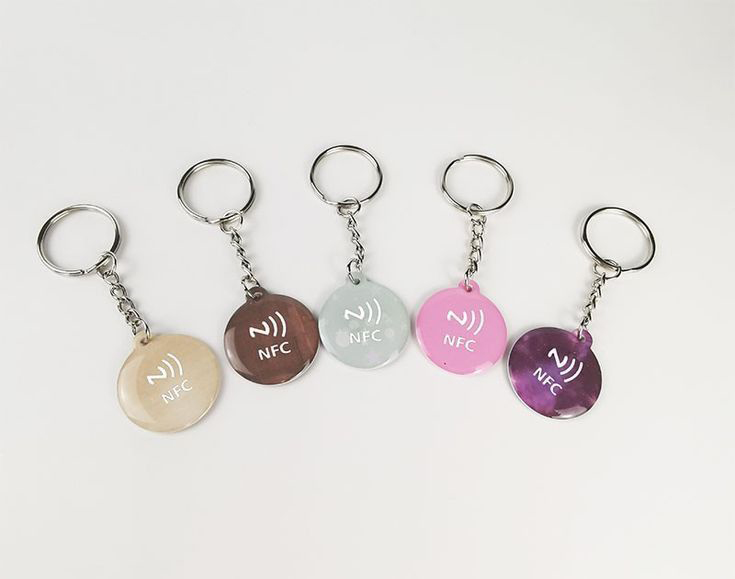
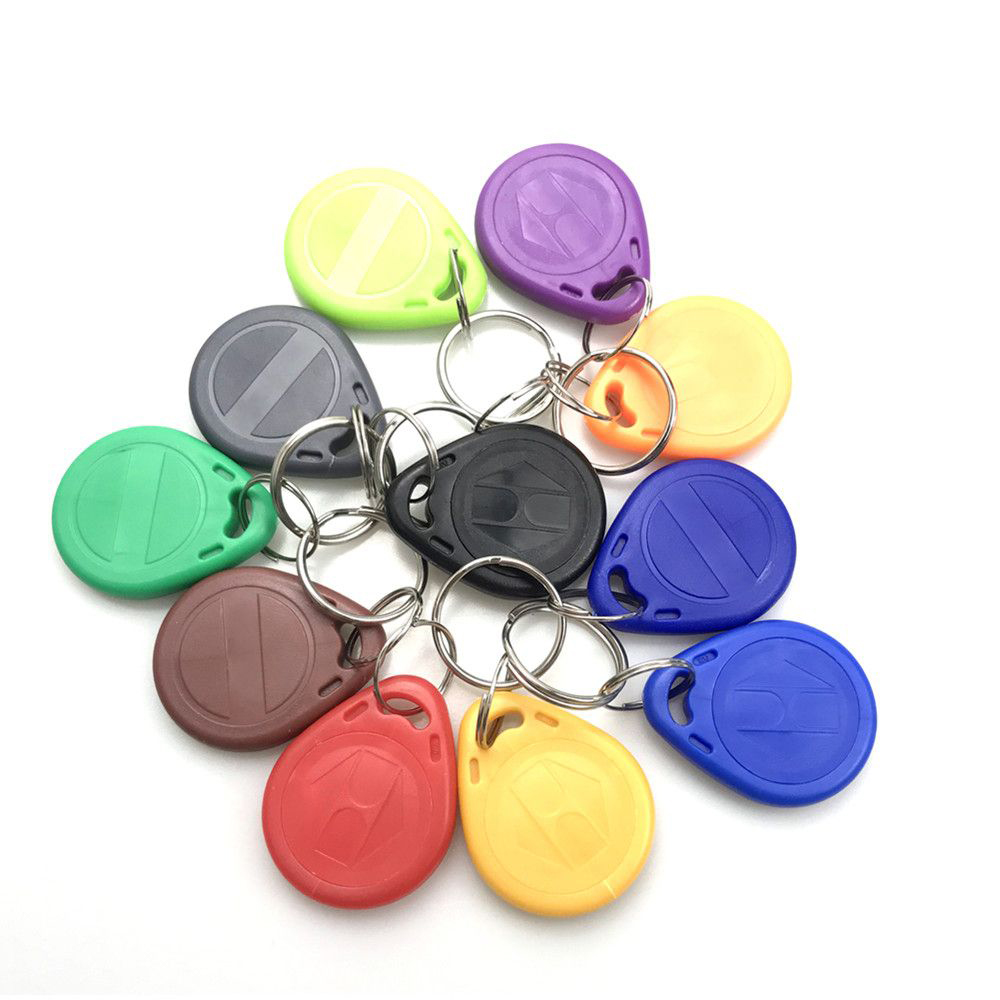
An RFID epoxy tag is a radio-frequency identification transponder that is fully encapsulated in a hardened epoxy resin compound. This process creates a solid, waterproof, and chemically resistant shell that protects the delicate microchip and antenna assembly inside. Unlike PVC or ABS tags, the epoxy casing provides superior protection against mechanical stress, moisture ingress, and environmental degradation. My skill in evaluating different encapsulation materials led me to appreciate epoxy's unique properties—its excellent adhesion, low shrinkage upon curing, and high dielectric strength make it ideal for protecting sensitive RF circuits. From my perspective, this encapsulation method transforms a standard RFID inlay into an industrial-grade workhorse.
<h2>Technical Specifications and Detailed Parameters of RFID Epoxy Tags</h2>
Providing precise technical data is crucial for integration. Below are detailed specifications for a typical high-frequency (HF) **RFID epoxy tag**. *Please note: These technical parameters are for reference data only. Specifics and custom specifications require contacting backend management.*
<h4>Physical & Mechanical Specifications:</h4>
* **Dimensions:** Standard disc shape with a diameter of 30.0mm and a thickness of 3.5mm. Rectangular variants are also common, such as 50mm x 20mm x 4mm.
* **Encapsulation Material:** High-grade, thermal
Canadian-Engineered RFID Solutions: Designed for -40°C winters, bilingual interfaces, and data sovereignty. Trusted by organizations across 10 provinces and 3 territories.
RFID & Canadian Cultural Integration
Hockey Equipment Tracking
RFID tags in equipment at community rinks from Manitoba to PEI help manage shared resources and promote accessibility.
Cold-Temperature Certified
Indigenous Cultural Preservation
Partnering with First Nations communities to use RFID for artifact tracking in museums and cultural centres.
Community Partnership
Winter Festival Enhancement
Contactless RFID payments and access at Quebec Winter Carnival and Vancouver's Christmas markets.
Instant Processing
Tim Hortons Integration
RFID-enabled loyalty programs serving 5 million Canadians daily with personalized, bilingual service.
Bilingual Support
Bilingual Design
All interfaces support English and French, with some systems incorporating Indigenous languages in relevant regions.
Universal Access
RFID readers designed for -40°C wheelchair access in Manitoba winters and visual impairment support nationwide.
Community Consultation
Implementation preceded by public forums and Indigenous community consultations in 89% of Canadian projects.
Data Sovereignty
All data processed and stored within Canada, adhering to PIPEDA and provincial privacy regulations.
 <h2>Introduction to RFID Epoxy Tags</h2>
RFID epoxy tags represent a pinnacle in durable asset identification technology. As someone who has managed large-scale industrial asset tracking projects, I've witnessed firsthand the critical need for tags that can withstand harsh environments. The transition from standard RFID labels to ruggedized epoxy tags was a game-changer for our operations. The interaction with maintenance teams revealed their frustration with tags that failed under exposure to chemicals, extreme temperatures, or physical abrasion. The moment we deployed our first batch of **RFID epoxy tags**, the reduction in replacement costs and data loss was immediate and palpable. This personal experience solidified my view that for any demanding application, the robustness of an epoxy-encapsulated tag is not just an option but a necessity.
<h3>What is an RFID Epoxy Tag?</h3>
An RFID epoxy tag is a radio-frequency identification transponder that is fully encapsulated in a hardened epoxy resin compound. This process creates a solid, waterproof, and chemically resistant shell that protects the delicate microchip and antenna assembly inside. Unlike PVC or ABS tags, the epoxy casing provides superior protection against mechanical stress, moisture ingress, and environmental degradation. My skill in evaluating different encapsulation materials led me to appreciate epoxy's unique properties—its excellent adhesion, low shrinkage upon curing, and high dielectric strength make it ideal for protecting sensitive RF circuits. From my perspective, this encapsulation method transforms a standard RFID inlay into an industrial-grade workhorse.
<h2>Introduction to RFID Epoxy Tags</h2>
RFID epoxy tags represent a pinnacle in durable asset identification technology. As someone who has managed large-scale industrial asset tracking projects, I've witnessed firsthand the critical need for tags that can withstand harsh environments. The transition from standard RFID labels to ruggedized epoxy tags was a game-changer for our operations. The interaction with maintenance teams revealed their frustration with tags that failed under exposure to chemicals, extreme temperatures, or physical abrasion. The moment we deployed our first batch of **RFID epoxy tags**, the reduction in replacement costs and data loss was immediate and palpable. This personal experience solidified my view that for any demanding application, the robustness of an epoxy-encapsulated tag is not just an option but a necessity.
<h3>What is an RFID Epoxy Tag?</h3>
An RFID epoxy tag is a radio-frequency identification transponder that is fully encapsulated in a hardened epoxy resin compound. This process creates a solid, waterproof, and chemically resistant shell that protects the delicate microchip and antenna assembly inside. Unlike PVC or ABS tags, the epoxy casing provides superior protection against mechanical stress, moisture ingress, and environmental degradation. My skill in evaluating different encapsulation materials led me to appreciate epoxy's unique properties—its excellent adhesion, low shrinkage upon curing, and high dielectric strength make it ideal for protecting sensitive RF circuits. From my perspective, this encapsulation method transforms a standard RFID inlay into an industrial-grade workhorse.
 <h2>Technical Specifications and Detailed Parameters of RFID Epoxy Tags</h2>
Providing precise technical data is crucial for integration. Below are detailed specifications for a typical high-frequency (HF) **RFID epoxy tag**. *Please note: These technical parameters are for reference data only. Specifics and custom specifications require contacting backend management.*
<h2>Technical Specifications and Detailed Parameters of RFID Epoxy Tags</h2>
Providing precise technical data is crucial for integration. Below are detailed specifications for a typical high-frequency (HF) **RFID epoxy tag**. *Please note: These technical parameters are for reference data only. Specifics and custom specifications require contacting backend management.*
 <h4>Physical & Mechanical Specifications:</h4>
* **Dimensions:** Standard disc shape with a diameter of 30.0mm and a thickness of 3.5mm. Rectangular variants are also common, such as 50mm x 20mm x 4mm.
<h4>Physical & Mechanical Specifications:</h4>
* **Dimensions:** Standard disc shape with a diameter of 30.0mm and a thickness of 3.5mm. Rectangular variants are also common, such as 50mm x 20mm x 4mm.
 * **Encapsulation Material:** High-grade, thermal