# T5577 Tags: The Ultimate Guide to RFID Technology
## Introduction to T5577 Tags
T5577 tags represent a cornerstone in modern RFID (Radio-Frequency Identification) technology. These versatile, low-frequency (LF) RFID tags are renowned for their programmability and widespread application across access control, animal identification, and inventory management systems. My personal journey with RFID began a decade ago when I first programmed a T5577 tag to automate my office door access. The sheer simplicity of waving a card and hearing the lock click open ignited a fascination with this invisible technology that continues to this day. This interaction between human intent and machine response, facilitated by a tiny chip, is a perfect example of how RFID blends seamlessly into our daily lives.
## Technical Specifications and Parameters of T5577 Tags
For engineers, developers, and procurement specialists, understanding the precise technical landscape of T5577 tags is crucial. Below are the detailed specifications. **Please note: The following technical parameters are for reference data; specifics must be confirmed by contacting backend management.**
* **Operating Frequency:** 125 kHz (Low Frequency)
* **Communication Protocol:** Compatible with EM4100 and other common 125 kHz protocols.
* **Memory:** 330 bits of EEPROM, organized into 8 blocks (0-7). Block 0 is typically the configuration/reserved block.
* **Chip Code:** Atmel (now Microchip) T5577 is the standard. Equivalent chips include EM4205/4305 and others, but T5577 is the most common identifier for this chip type.
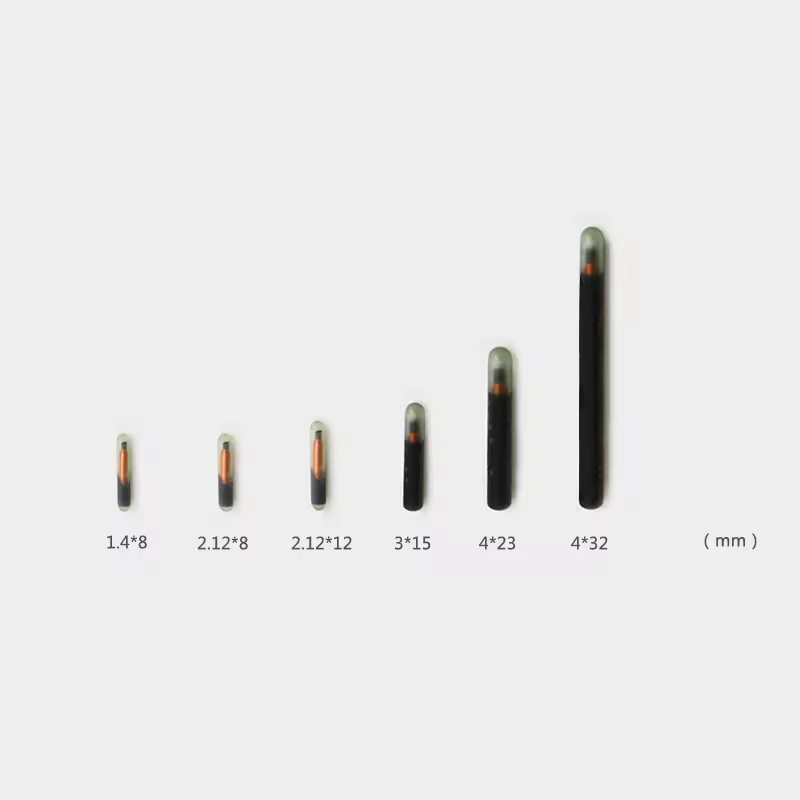
* **Detailed Dimensions (Chip):** The bare die is microscopic. The packaged chip (module) typically measures approximately **2.1mm x 3.3mm** with a thickness of ~0.3mm, often embedded in a glass capsule, PVC card, or key fob.
* **Read/Write Distance:** Highly dependent on the antenna coil size and reader power. Typically 5-10 cm for standard card formats.
* **Data Retention:** >10 years.
* **Write Endurance:** 100,000 cycles minimum.
* **Power Supply:** Entirely powered by the RF field from the reader (passive tag).
* **Modulation:** ASK (Amplitude Shift Keying) or FSK (Frequency Shift Keying), configurable.
My own skill in embedded systems was honed by experimenting with these parameters, learning to optimize
Canadian-Engineered RFID Solutions: Designed for -40°C winters, bilingual interfaces, and data sovereignty. Trusted by organizations across 10 provinces and 3 territories.
RFID & Canadian Cultural Integration
Hockey Equipment Tracking
RFID tags in equipment at community rinks from Manitoba to PEI help manage shared resources and promote accessibility.
Cold-Temperature Certified
Indigenous Cultural Preservation
Partnering with First Nations communities to use RFID for artifact tracking in museums and cultural centres.
Community Partnership
Winter Festival Enhancement
Contactless RFID payments and access at Quebec Winter Carnival and Vancouver's Christmas markets.
Instant Processing
Tim Hortons Integration
RFID-enabled loyalty programs serving 5 million Canadians daily with personalized, bilingual service.
Bilingual Support
Bilingual Design
All interfaces support English and French, with some systems incorporating Indigenous languages in relevant regions.
Universal Access
RFID readers designed for -40°C wheelchair access in Manitoba winters and visual impairment support nationwide.
Community Consultation
Implementation preceded by public forums and Indigenous community consultations in 89% of Canadian projects.
Data Sovereignty
All data processed and stored within Canada, adhering to PIPEDA and provincial privacy regulations.
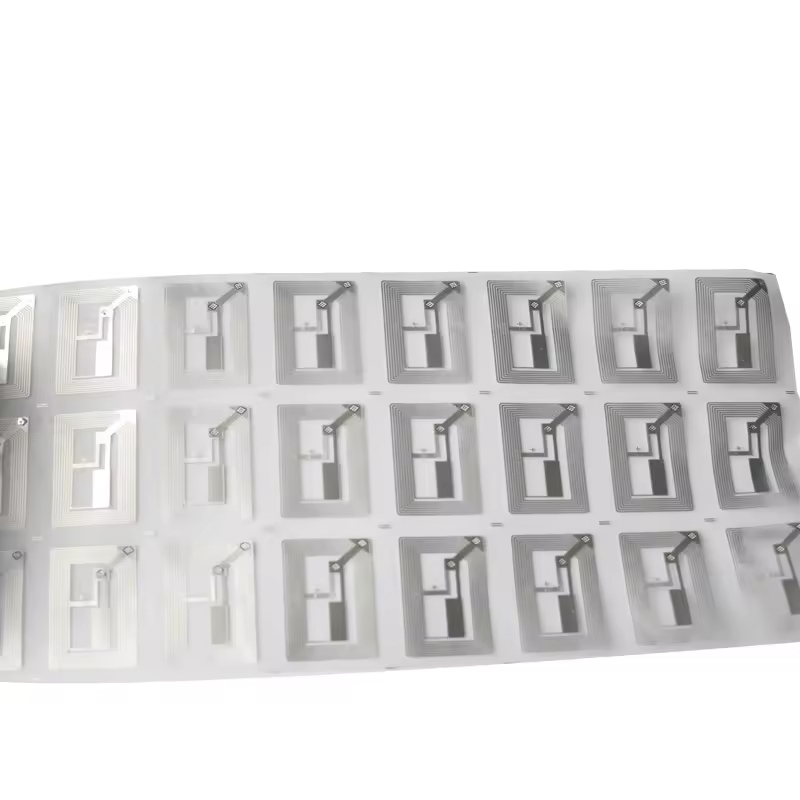 ## Technical Specifications and Parameters of T5577 Tags
For engineers, developers, and procurement specialists, understanding the precise technical landscape of T5577 tags is crucial. Below are the detailed specifications. **Please note: The following technical parameters are for reference data; specifics must be confirmed by contacting backend management.**
* **Operating Frequency:** 125 kHz (Low Frequency)
* **Communication Protocol:** Compatible with EM4100 and other common 125 kHz protocols.
* **Memory:** 330 bits of EEPROM, organized into 8 blocks (0-7). Block 0 is typically the configuration/reserved block.
* **Chip Code:** Atmel (now Microchip) T5577 is the standard. Equivalent chips include EM4205/4305 and others, but T5577 is the most common identifier for this chip type.
## Technical Specifications and Parameters of T5577 Tags
For engineers, developers, and procurement specialists, understanding the precise technical landscape of T5577 tags is crucial. Below are the detailed specifications. **Please note: The following technical parameters are for reference data; specifics must be confirmed by contacting backend management.**
* **Operating Frequency:** 125 kHz (Low Frequency)
* **Communication Protocol:** Compatible with EM4100 and other common 125 kHz protocols.
* **Memory:** 330 bits of EEPROM, organized into 8 blocks (0-7). Block 0 is typically the configuration/reserved block.
* **Chip Code:** Atmel (now Microchip) T5577 is the standard. Equivalent chips include EM4205/4305 and others, but T5577 is the most common identifier for this chip type.
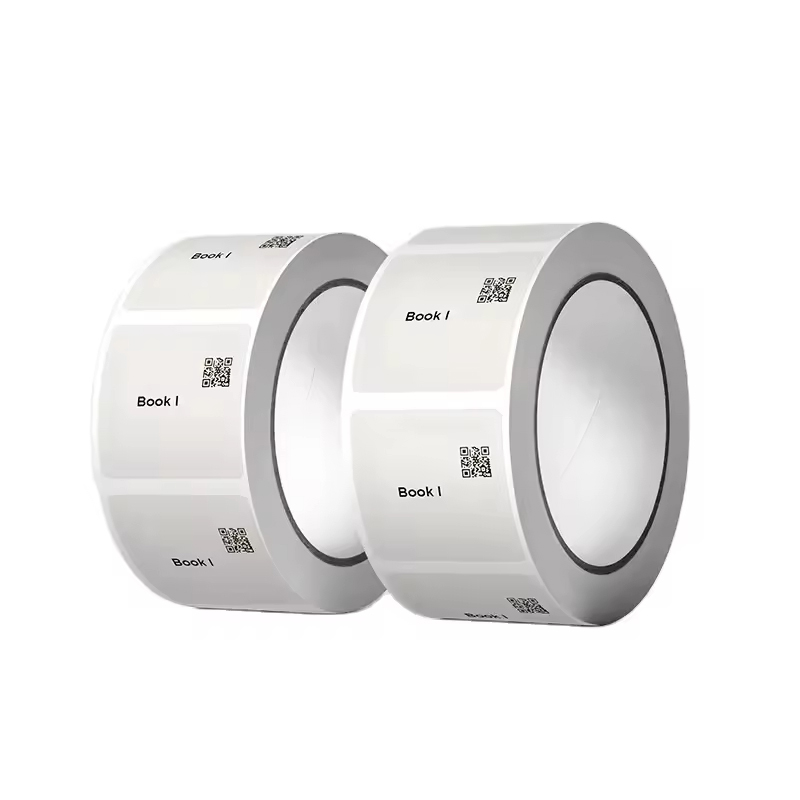 * **Detailed Dimensions (Chip):** The bare die is microscopic. The packaged chip (module) typically measures approximately **2.1mm x 3.3mm** with a thickness of ~0.3mm, often embedded in a glass capsule, PVC card, or key fob.
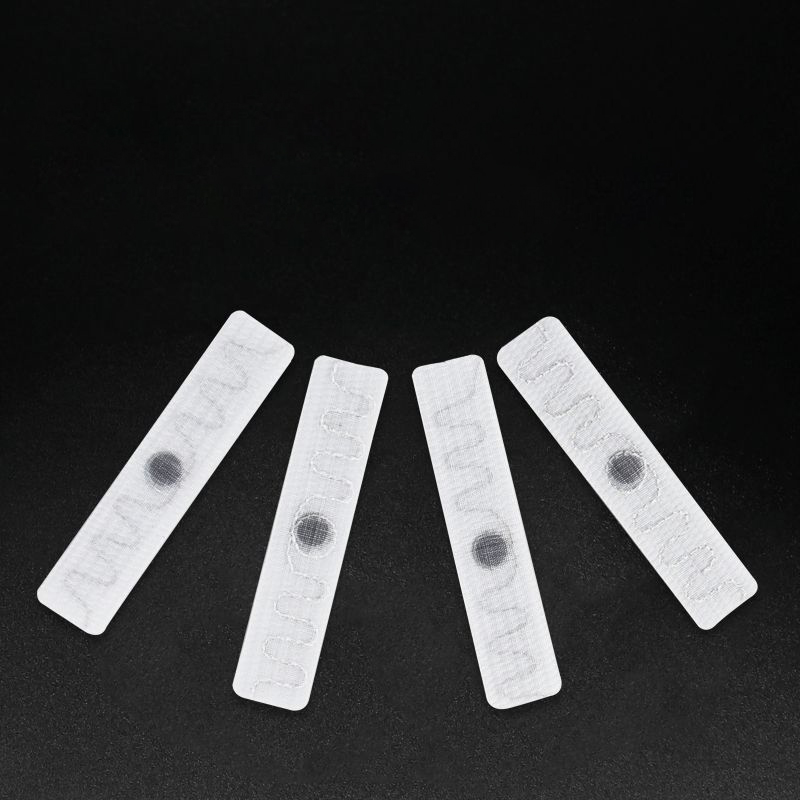 * **Read/Write Distance:** Highly dependent on the antenna coil size and reader power. Typically 5-10 cm for standard card formats.
* **Data Retention:** >10 years.
* **Read/Write Distance:** Highly dependent on the antenna coil size and reader power. Typically 5-10 cm for standard card formats.
* **Data Retention:** >10 years.
 * **Write Endurance:** 100,000 cycles minimum.
* **Power Supply:** Entirely powered by the RF field from the reader (passive tag).
* **Modulation:** ASK (Amplitude Shift Keying) or FSK (Frequency Shift Keying), configurable.
* **Write Endurance:** 100,000 cycles minimum.
* **Power Supply:** Entirely powered by the RF field from the reader (passive tag).
* **Modulation:** ASK (Amplitude Shift Keying) or FSK (Frequency Shift Keying), configurable.
 My own skill in embedded systems was honed by experimenting with these parameters, learning to optimize