# What Are NFC Tags?
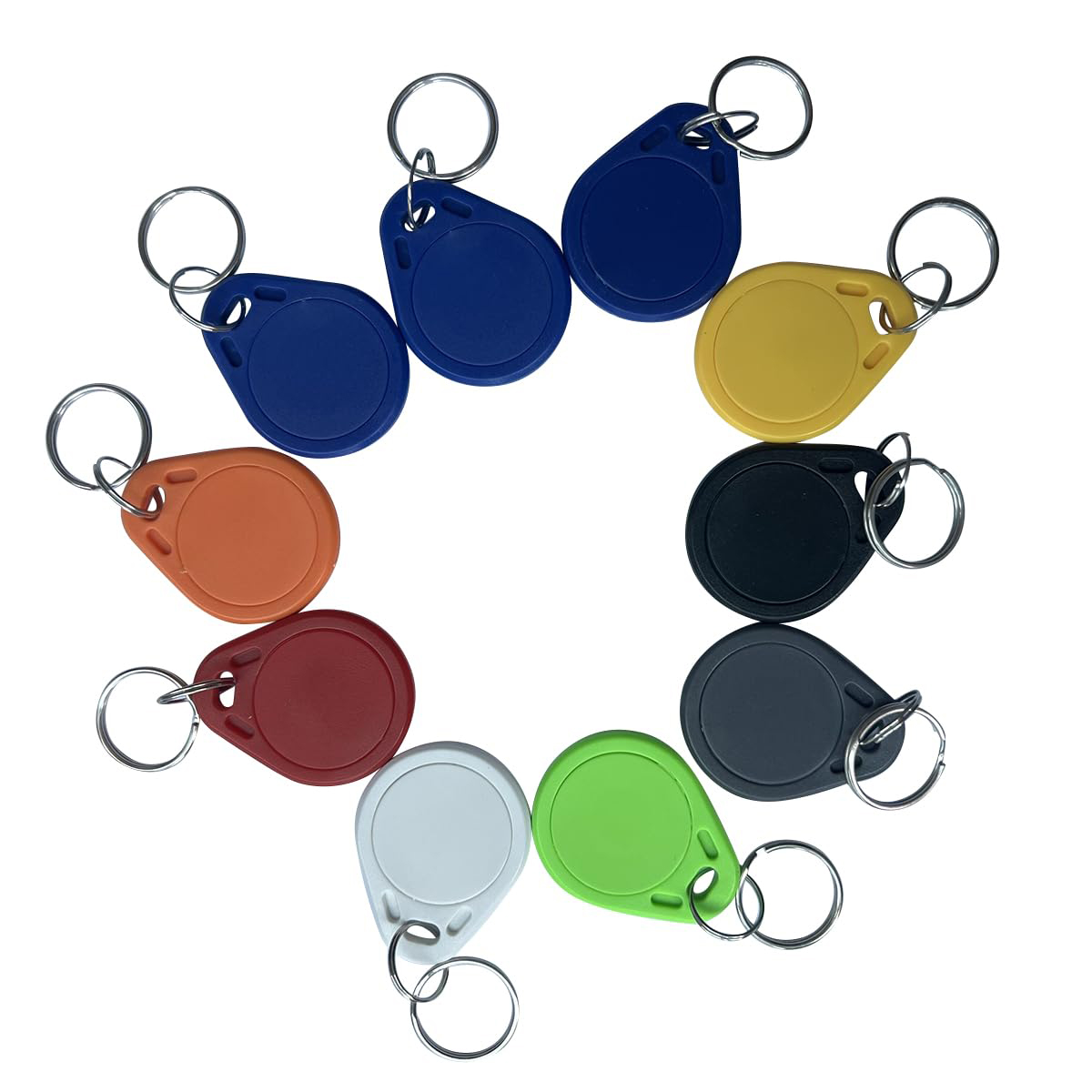
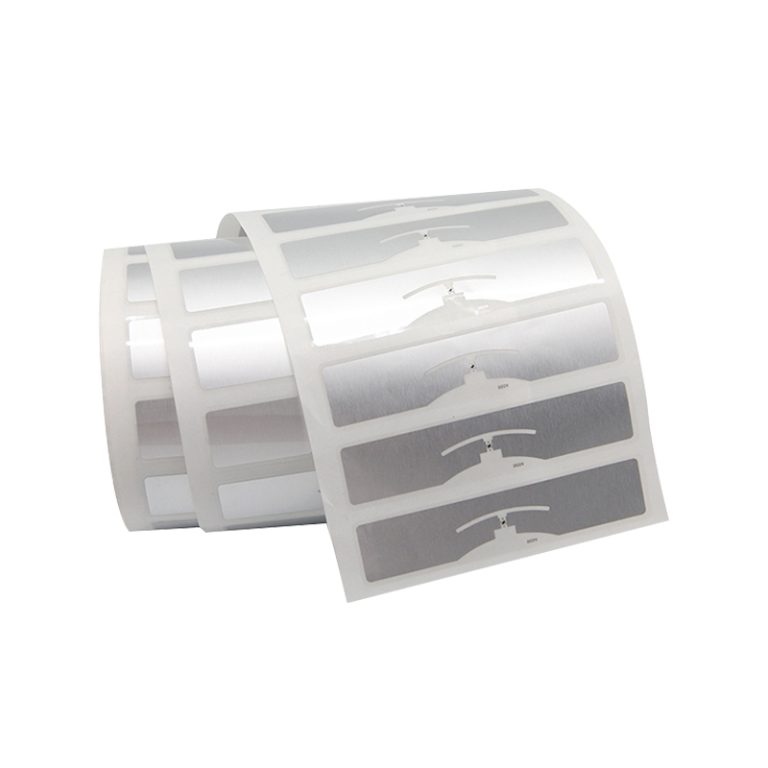
NFC tags are small, wireless devices that use Near Field Communication (NFC) technology to store and transmit data to nearby smartphones, tablets, or other NFC-enabled readers. Unlike RFID (Radio Frequency Identification), which operates over longer distances and various frequencies, NFC is designed for short-range, secure communication typically within a few centimeters. These passive tags contain no internal power source; instead, they are activated by the electromagnetic field generated by an NFC reader, such as a mobile phone. Once activated, the tag sends stored information—like URLs, contact details, or commands—to the device, enabling quick, touchless interactions. Common applications include contactless payments, smart posters, and inventory management, making NFC tags integral to the Internet of Things (IoT) and modern digital convenience. Their simplicity, affordability, and compatibility with billions of smartphones have fueled widespread adoption in consumer and industrial settings.
## How NFC Tags Work: A Technical Overview
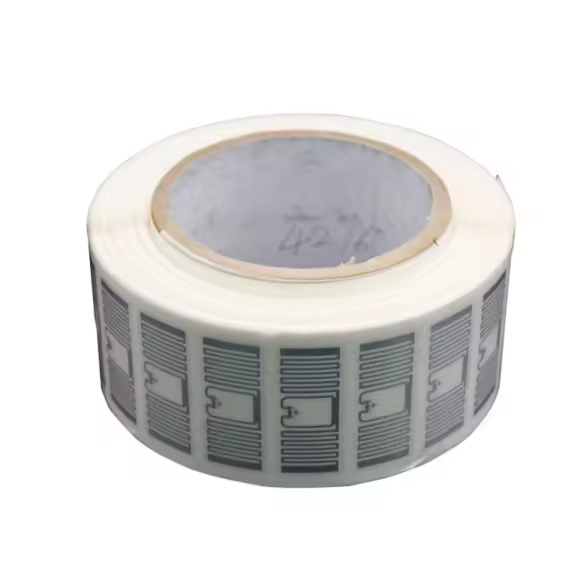
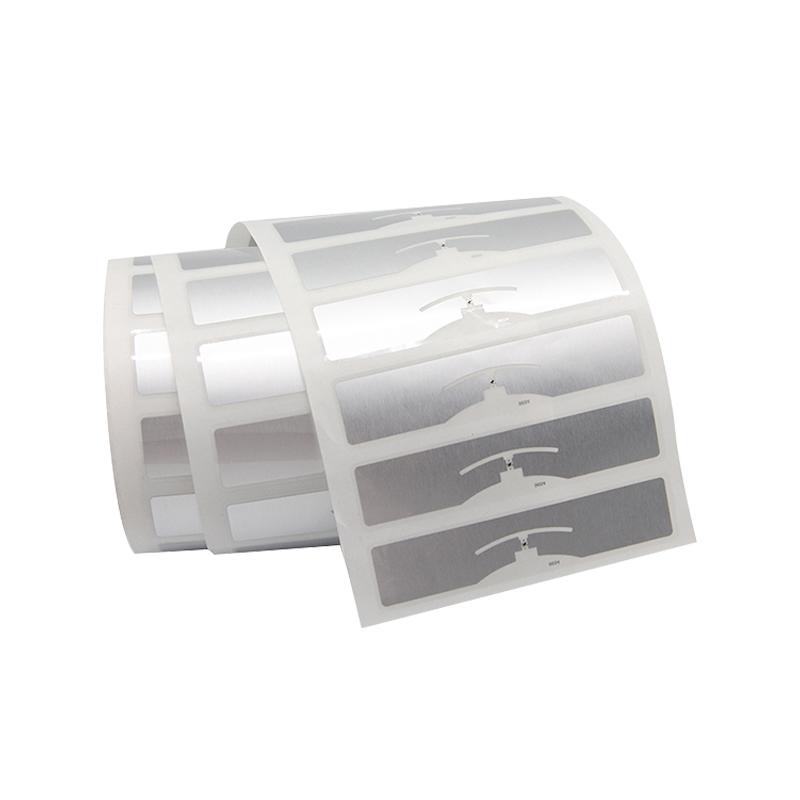
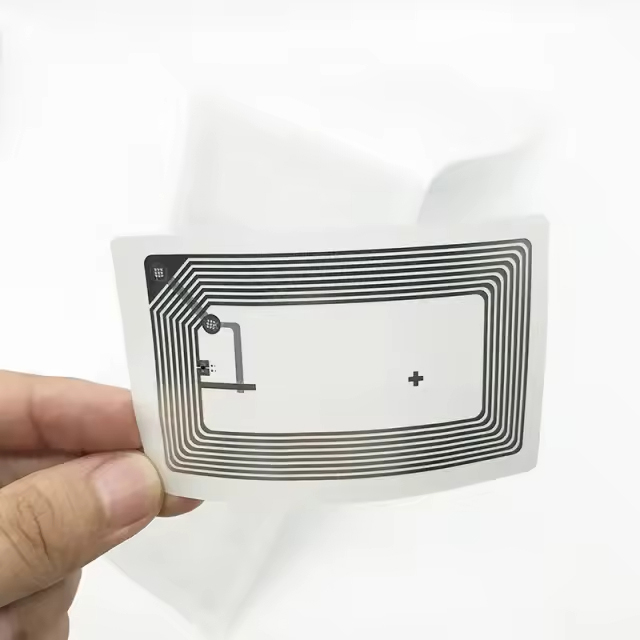
NFC tags operate based on inductive coupling, where an NFC reader emits a radio frequency (RF) field that powers the tag's microchip and antenna. The tag then modulates this field to transmit data back to the reader. This process occurs at 13.56 MHz, a standard frequency for NFC, ensuring compatibility across devices. Each tag consists of a microchip that stores data and an antenna that facilitates communication. The data is typically encoded in NDEF (NFC Data Exchange Format), a standardized message format that allows seamless interoperability between different NFC devices and tags. When you tap your phone to an NFC tag, the reader in the phone detects the tag, powers it, and decodes the information, triggering actions like opening a webpage or launching an app. This one-way communication is fast, often taking less than a second, and requires no pairing or setup, unlike Bluetooth or Wi-Fi.
### Personal Experience with NFC Tags in Daily Life
In my daily routine, NFC tags have transformed how I interact with technology, adding a layer of effortless automation. For instance, I placed an NFC tag
Canadian-Engineered RFID Solutions: Designed for -40°C winters, bilingual interfaces, and data sovereignty. Trusted by organizations across 10 provinces and 3 territories.
RFID & Canadian Cultural Integration
Hockey Equipment Tracking
RFID tags in equipment at community rinks from Manitoba to PEI help manage shared resources and promote accessibility.
Cold-Temperature Certified
Indigenous Cultural Preservation
Partnering with First Nations communities to use RFID for artifact tracking in museums and cultural centres.
Community Partnership
Winter Festival Enhancement
Contactless RFID payments and access at Quebec Winter Carnival and Vancouver's Christmas markets.
Instant Processing
Tim Hortons Integration
RFID-enabled loyalty programs serving 5 million Canadians daily with personalized, bilingual service.
Bilingual Support
Bilingual Design
All interfaces support English and French, with some systems incorporating Indigenous languages in relevant regions.
Universal Access
RFID readers designed for -40°C wheelchair access in Manitoba winters and visual impairment support nationwide.
Community Consultation
Implementation preceded by public forums and Indigenous community consultations in 89% of Canadian projects.
Data Sovereignty
All data processed and stored within Canada, adhering to PIPEDA and provincial privacy regulations.
 ## How NFC Tags Work: A Technical Overview
NFC tags operate based on inductive coupling, where an NFC reader emits a radio frequency (RF) field that powers the tag's microchip and antenna. The tag then modulates this field to transmit data back to the reader. This process occurs at 13.56 MHz, a standard frequency for NFC, ensuring compatibility across devices. Each tag consists of a microchip that stores data and an antenna that facilitates communication. The data is typically encoded in NDEF (NFC Data Exchange Format), a standardized message format that allows seamless interoperability between different NFC devices and tags. When you tap your phone to an NFC tag, the reader in the phone detects the tag, powers it, and decodes the information, triggering actions like opening a webpage or launching an app. This one-way communication is fast, often taking less than a second, and requires no pairing or setup, unlike Bluetooth or Wi-Fi.
## How NFC Tags Work: A Technical Overview
NFC tags operate based on inductive coupling, where an NFC reader emits a radio frequency (RF) field that powers the tag's microchip and antenna. The tag then modulates this field to transmit data back to the reader. This process occurs at 13.56 MHz, a standard frequency for NFC, ensuring compatibility across devices. Each tag consists of a microchip that stores data and an antenna that facilitates communication. The data is typically encoded in NDEF (NFC Data Exchange Format), a standardized message format that allows seamless interoperability between different NFC devices and tags. When you tap your phone to an NFC tag, the reader in the phone detects the tag, powers it, and decodes the information, triggering actions like opening a webpage or launching an app. This one-way communication is fast, often taking less than a second, and requires no pairing or setup, unlike Bluetooth or Wi-Fi.
 ### Personal Experience with NFC Tags in Daily Life
In my daily routine, NFC tags have transformed how I interact with technology, adding a layer of effortless automation. For instance, I placed an NFC tag
### Personal Experience with NFC Tags in Daily Life
In my daily routine, NFC tags have transformed how I interact with technology, adding a layer of effortless automation. For instance, I placed an NFC tag