# NTAG213 vs NTAG215: A Comprehensive Comparison of NFC Tags
## Introduction to NTAG213 and NTAG215 NFC Tags
In the world of **RFID** and **NFC** technology, NTAG series tags from NXP Semiconductors have become industry standards for various applications. Among these, **NTAG213** and **NTAG215** represent two popular options that serve different use cases while sharing fundamental **NFC** technology. As someone who has worked extensively with **RFID** systems across multiple industries, I've developed a particular appreciation for how these seemingly simple tags power complex interactions in our daily lives. My journey with **NFC** technology began unexpectedly when I discovered I had a natural aptitude for understanding wireless communication protocols—a skill that has served me well in implementing numerous **RFID** solutions for clients.
## Technical Specifications: NTAG213 vs NTAG215
### NTAG213 Technical Parameters
The **NTAG213** represents a versatile **NFC** tag solution with balanced capabilities:
**Memory Configuration:**
- User memory: 144 bytes
- Total memory: 180 bytes (including 36 bytes for NDEF and system data)
- Memory organization: 45 pages of 4 bytes each
**Technical Specifications:**
- Operating frequency: 13.56 MHz
- Communication interface: ISO/IEC 14443 Type A
- Data transfer rate: 106 kbit/s
- Typical read distance: Up to 10 cm (depending on reader)
- Write endurance: 100,000 cycles
- Data retention: 10 years
- Unique 7-byte serial number (UID)
**Physical Dimensions (Common Formats):**
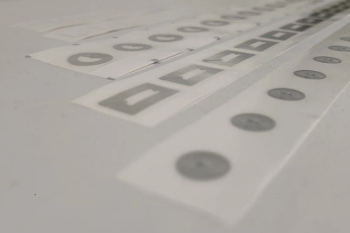
- Standard sticker format: 25mm diameter, 0.3mm thickness
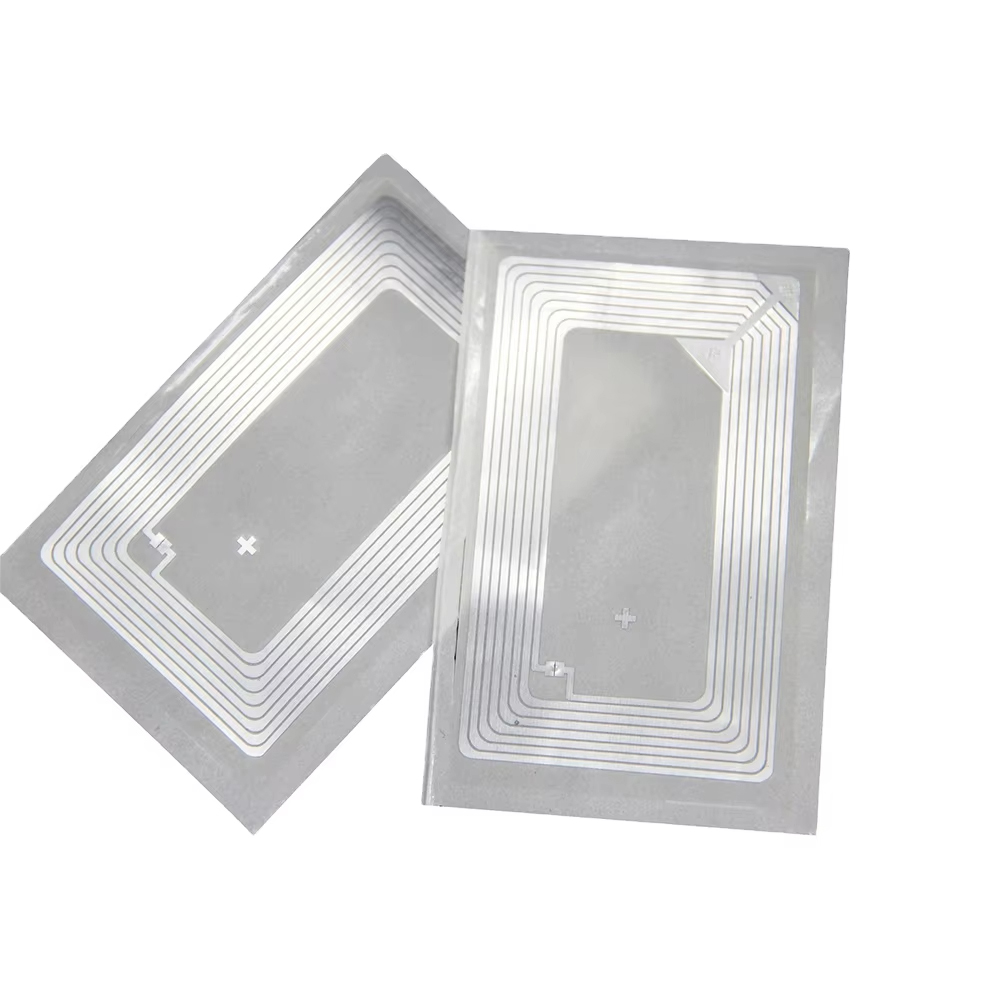
- Card format: ID-1 (85.6 × 54 × 0.76 mm)
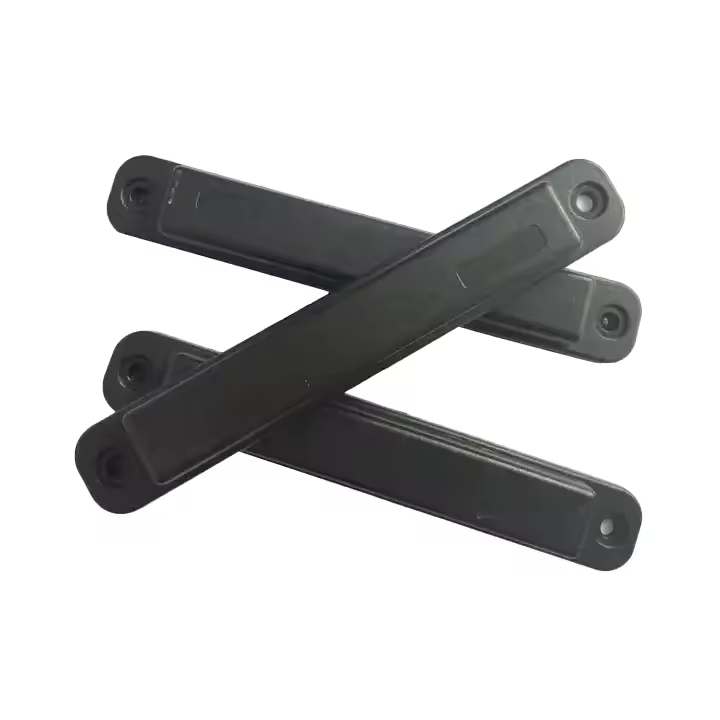
- Key fob format: 30 × 40 × 3 mm
**Chip Codes and Identification:**
- Manufacturer code: 04h (NXP Semiconductors)
- Product subtype: NTAG213
- IC reference: NT3H1101
*Note: These technical parameters are reference data. For precise specifications, please contact our backend management team.*
### NTAG215 Technical Parameters
The **NTAG215** offers expanded memory capacity for more demanding *