<h1>RFID and RFID Tag: The Invisible Technology Powering Our Connected World</h1>
<p>RFID and RFID tag systems represent one of the most transformative yet understated technologies of the 21st century. From streamlining global supply chains to enabling contactless payments, these systems operate silently in the background, creating efficiency and security. My personal journey with this technology began not in a corporate setting, but through a rather unexpected hobby: competitive marathon running. A few years ago, I participated in a large city marathon. As I crossed the starting line, I barely noticed the mat on the ground. Yet, that mat, equipped with an RFID reader, captured the unique signal from the <strong>RFID tag</strong> woven into my race bib. This instantaneous, automated registration of my start time was my first tangible, personal interaction with the power of RFID. The entire process, from start to finish line timing, was seamless, eliminating the manual chaos I had experienced in smaller races. This interaction highlighted how a simple <strong>RFID tag</strong> could manage data for thousands of individuals simultaneously, a feat that felt almost like a superhuman organizational skill.</p>
<h2>Understanding the Core: What Are RFID and RFID Tags?</h2>
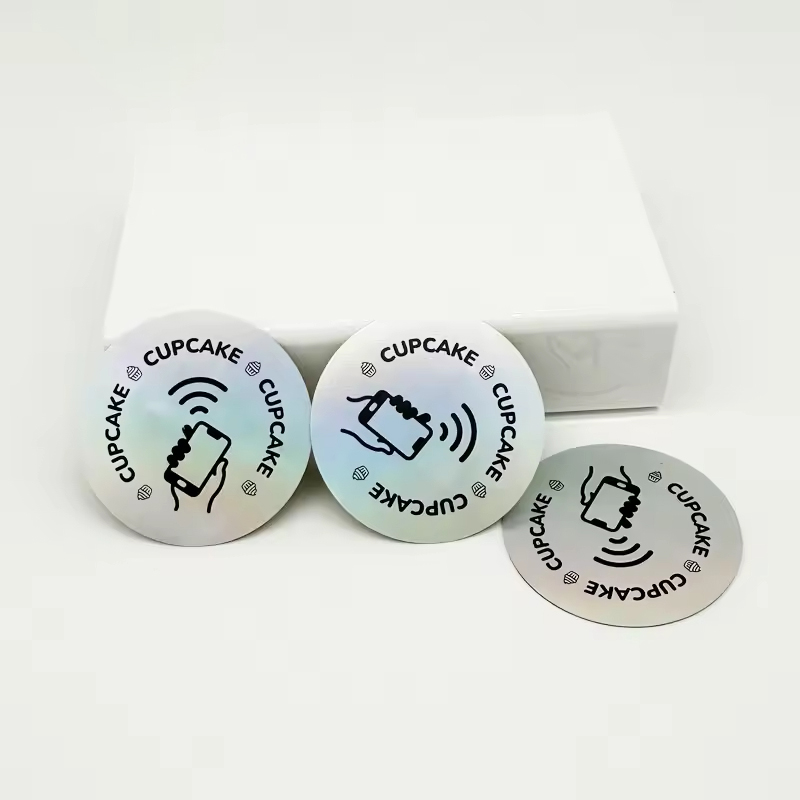
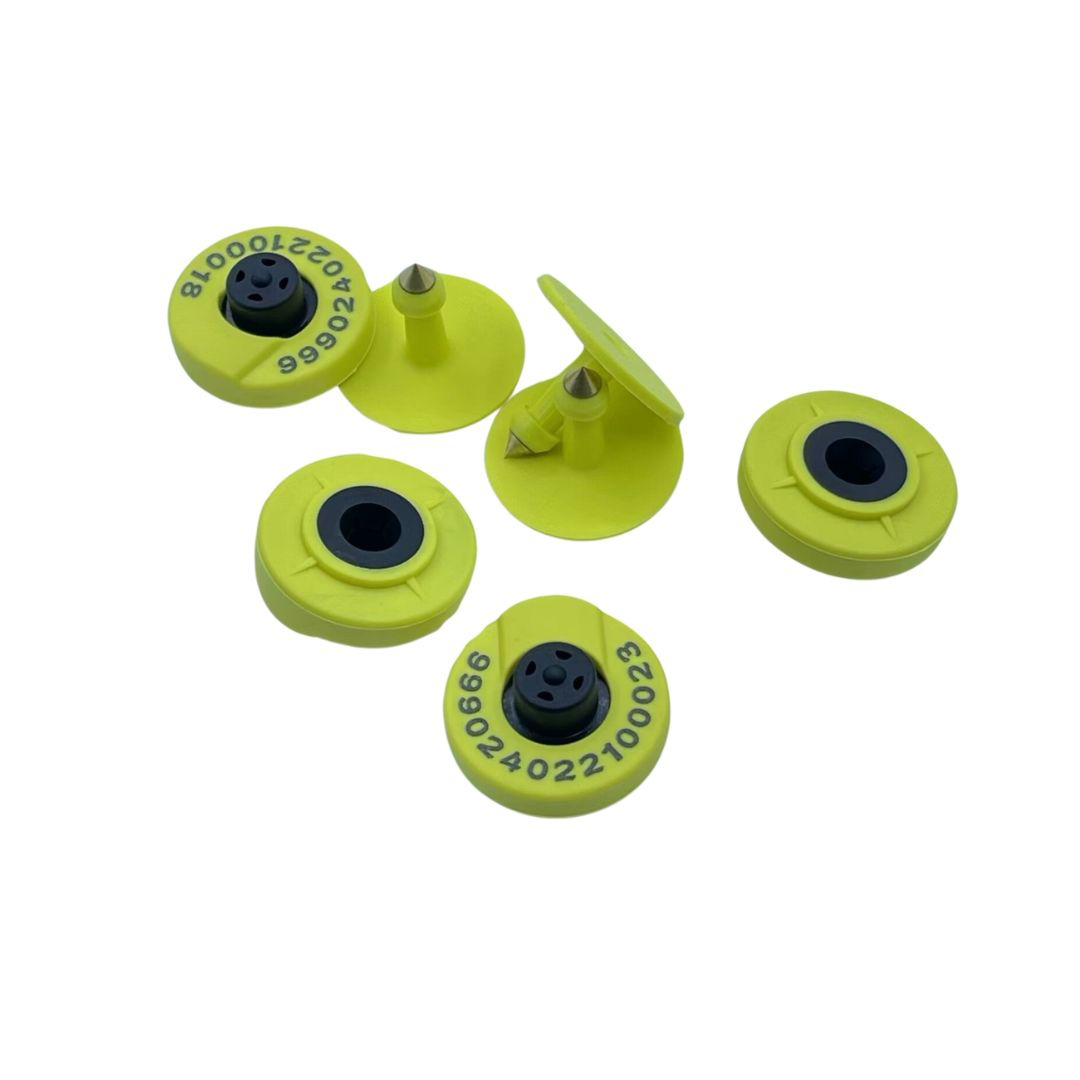
<p>At its heart, Radio-Frequency Identification (RFID) is a method of wireless data transfer. An RFID system consists of two main components: a reader (or interrogator) and a tag (or transponder). The reader emits radio waves and receives signals back from the <strong>RFID tag</strong>. The tag itself is a microchip attached to an antenna. This compact unit can be embedded in labels, cards, key fobs, or even implanted in animals. Unlike barcodes that require line-of-sight scanning, <strong>RFID tags</strong> can be read through materials and at a distance, revolutionizing inventory and asset management. My own perspective, shaped by both personal use and professional study, is that while NFC (Near Field Communication) often grabs consumer headlines for mobile payments, the broader ecosystem of RFID is the true workhorse of industrial and logistical innovation.</p>
<h3>The Technical Anatomy of an RFID Tag</h3>
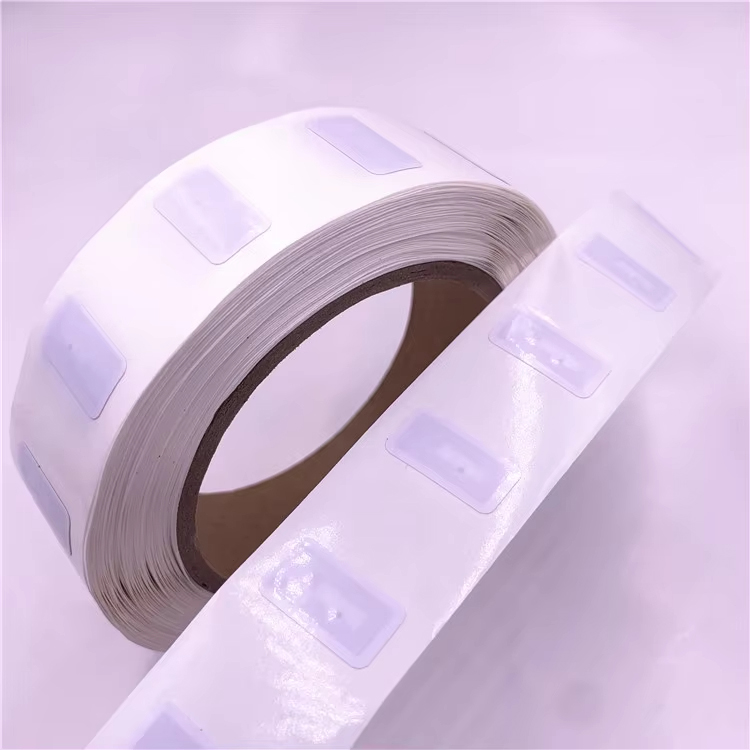
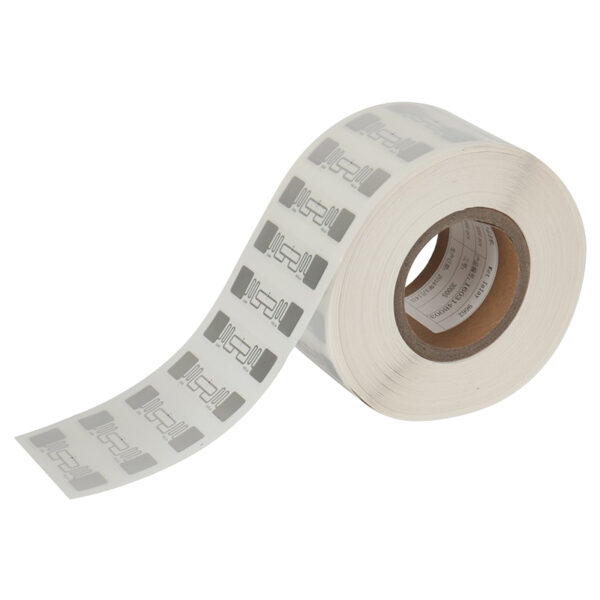
<p>Delving into the technical specifics is crucial to appreciate the capability of these devices. An <strong>RFID tag</strong> is not a monolithic object but a carefully engineered product. Here are detailed technical parameters for a typical UHF Passive RFID Inlay, which is commonly used in supply chain logistics:</p>
<h4
Canadian-Engineered RFID Solutions: Designed for -40°C winters, bilingual interfaces, and data sovereignty. Trusted by organizations across 10 provinces and 3 territories.
RFID & Canadian Cultural Integration
Hockey Equipment Tracking
RFID tags in equipment at community rinks from Manitoba to PEI help manage shared resources and promote accessibility.
Cold-Temperature Certified
Indigenous Cultural Preservation
Partnering with First Nations communities to use RFID for artifact tracking in museums and cultural centres.
Community Partnership
Winter Festival Enhancement
Contactless RFID payments and access at Quebec Winter Carnival and Vancouver's Christmas markets.
Instant Processing
Tim Hortons Integration
RFID-enabled loyalty programs serving 5 million Canadians daily with personalized, bilingual service.
Bilingual Support
Bilingual Design
All interfaces support English and French, with some systems incorporating Indigenous languages in relevant regions.
Universal Access
RFID readers designed for -40°C wheelchair access in Manitoba winters and visual impairment support nationwide.
Community Consultation
Implementation preceded by public forums and Indigenous community consultations in 89% of Canadian projects.
Data Sovereignty
All data processed and stored within Canada, adhering to PIPEDA and provincial privacy regulations.
 <p>RFID and RFID tag systems represent one of the most transformative yet understated technologies of the 21st century. From streamlining global supply chains to enabling contactless payments, these systems operate silently in the background, creating efficiency and security. My personal journey with this technology began not in a corporate setting, but through a rather unexpected hobby: competitive marathon running. A few years ago, I participated in a large city marathon. As I crossed the starting line, I barely noticed the mat on the ground. Yet, that mat, equipped with an RFID reader, captured the unique signal from the <strong>RFID tag</strong> woven into my race bib. This instantaneous, automated registration of my start time was my first tangible, personal interaction with the power of RFID. The entire process, from start to finish line timing, was seamless, eliminating the manual chaos I had experienced in smaller races. This interaction highlighted how a simple <strong>RFID tag</strong> could manage data for thousands of individuals simultaneously, a feat that felt almost like a superhuman organizational skill.</p>
<h2>Understanding the Core: What Are RFID and RFID Tags?</h2>
<p>At its heart, Radio-Frequency Identification (RFID) is a method of wireless data transfer. An RFID system consists of two main components: a reader (or interrogator) and a tag (or transponder). The reader emits radio waves and receives signals back from the <strong>RFID tag</strong>. The tag itself is a microchip attached to an antenna. This compact unit can be embedded in labels, cards, key fobs, or even implanted in animals. Unlike barcodes that require line-of-sight scanning, <strong>RFID tags</strong> can be read through materials and at a distance, revolutionizing inventory and asset management. My own perspective, shaped by both personal use and professional study, is that while NFC (Near Field Communication) often grabs consumer headlines for mobile payments, the broader ecosystem of RFID is the true workhorse of industrial and logistical innovation.</p>
<p>RFID and RFID tag systems represent one of the most transformative yet understated technologies of the 21st century. From streamlining global supply chains to enabling contactless payments, these systems operate silently in the background, creating efficiency and security. My personal journey with this technology began not in a corporate setting, but through a rather unexpected hobby: competitive marathon running. A few years ago, I participated in a large city marathon. As I crossed the starting line, I barely noticed the mat on the ground. Yet, that mat, equipped with an RFID reader, captured the unique signal from the <strong>RFID tag</strong> woven into my race bib. This instantaneous, automated registration of my start time was my first tangible, personal interaction with the power of RFID. The entire process, from start to finish line timing, was seamless, eliminating the manual chaos I had experienced in smaller races. This interaction highlighted how a simple <strong>RFID tag</strong> could manage data for thousands of individuals simultaneously, a feat that felt almost like a superhuman organizational skill.</p>
<h2>Understanding the Core: What Are RFID and RFID Tags?</h2>
<p>At its heart, Radio-Frequency Identification (RFID) is a method of wireless data transfer. An RFID system consists of two main components: a reader (or interrogator) and a tag (or transponder). The reader emits radio waves and receives signals back from the <strong>RFID tag</strong>. The tag itself is a microchip attached to an antenna. This compact unit can be embedded in labels, cards, key fobs, or even implanted in animals. Unlike barcodes that require line-of-sight scanning, <strong>RFID tags</strong> can be read through materials and at a distance, revolutionizing inventory and asset management. My own perspective, shaped by both personal use and professional study, is that while NFC (Near Field Communication) often grabs consumer headlines for mobile payments, the broader ecosystem of RFID is the true workhorse of industrial and logistical innovation.</p>
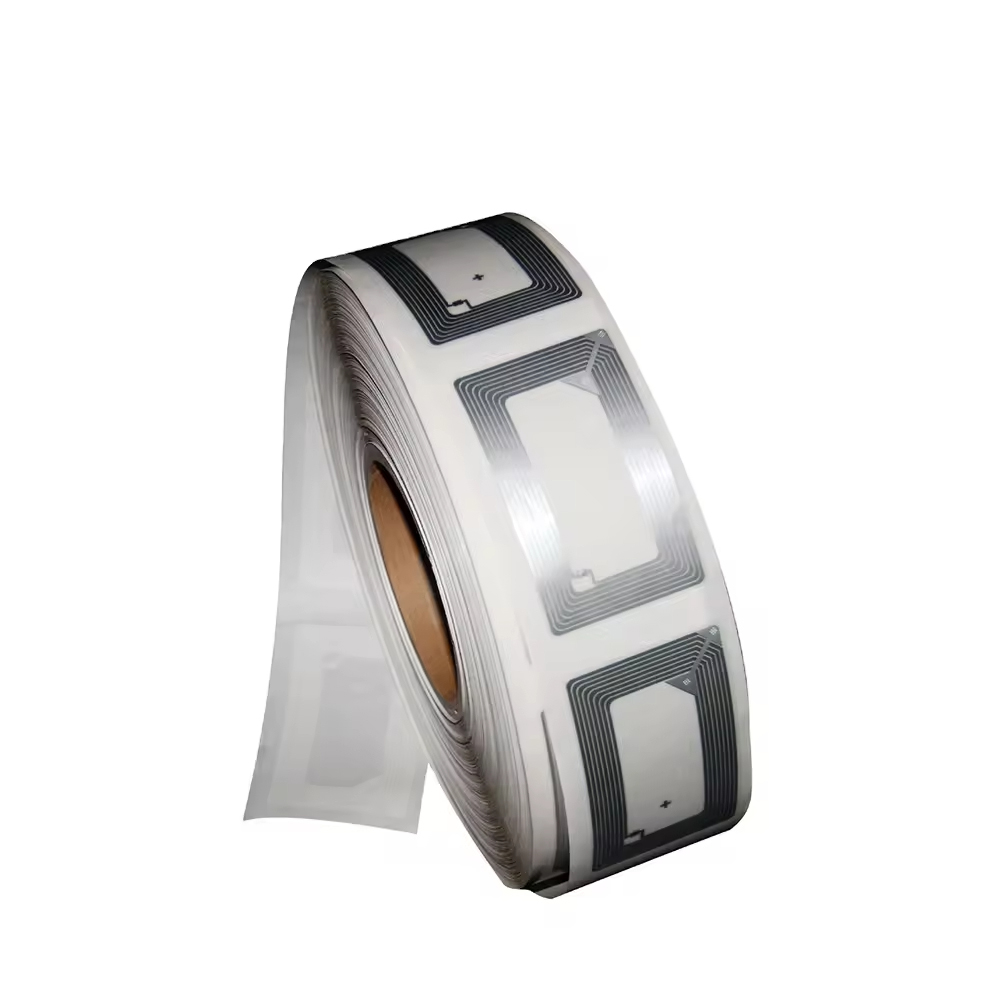 <h3>The Technical Anatomy of an RFID Tag</h3>
<p>Delving into the technical specifics is crucial to appreciate the capability of these devices. An <strong>RFID tag</strong> is not a monolithic object but a carefully engineered product. Here are detailed technical parameters for a typical UHF Passive RFID Inlay, which is commonly used in supply chain logistics:</p>
<h4
<h3>The Technical Anatomy of an RFID Tag</h3>
<p>Delving into the technical specifics is crucial to appreciate the capability of these devices. An <strong>RFID tag</strong> is not a monolithic object but a carefully engineered product. Here are detailed technical parameters for a typical UHF Passive RFID Inlay, which is commonly used in supply chain logistics:</p>
<h4